
What Is a Fire Risk Assessment and Who Needs One in London?
Fire safety is often treated as something people only think about after a problem happens. In reality, most serious fire risks inside buildings develop slowly over time through poor maintenance, damaged fire doors, overloaded electrics, blocked escape routes, or outdated safety procedures. That is exactly why fire risk assessments exist.
For landlords, businesses, managing agents and property owners across London, a fire risk assessment is not simply a recommendation. In many cases, it is a legal responsibility under UK fire safety legislation.
Whether you manage a block of flats in Central London, operate a restaurant in West London, or rent out an HMO in East London, understanding your fire safety duties is essential. Failing to assess fire risks properly can lead to enforcement action, insurance complications, financial penalties and, most importantly, serious danger to occupants.
This guide explains what a fire risk assessment is, who needs one, what it includes, how often it should be reviewed, and why professional assessments matter for long-term compliance and safety.
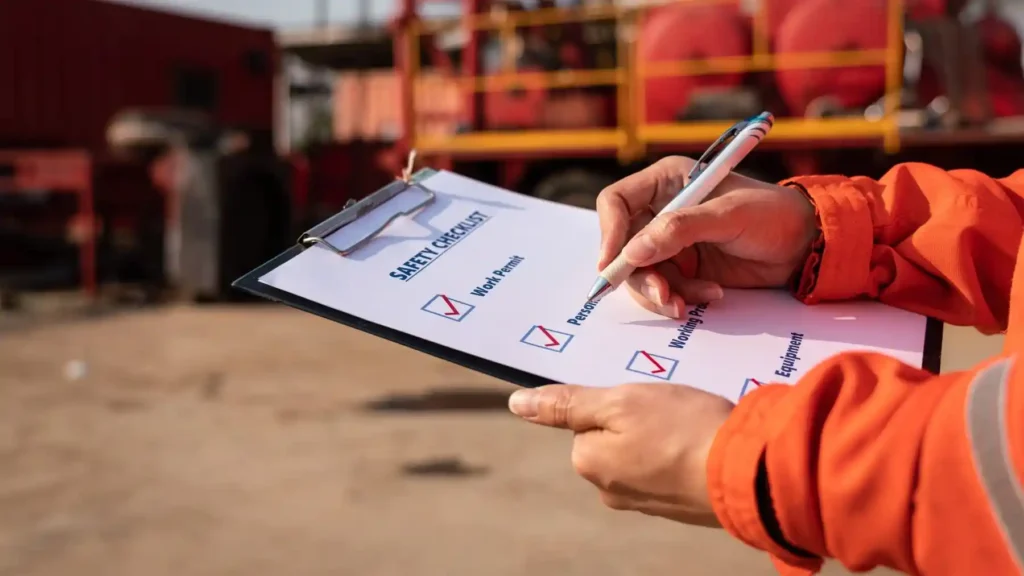
What Is a Fire Risk Assessment?
A fire risk assessment is a structured inspection of a building carried out to identify fire hazards, evaluate the level of risk, and determine what measures are needed to improve fire safety.
The purpose is straightforward. Reduce the likelihood of fire and improve the ability of occupants to escape safely if a fire occurs.
A proper fire risk assessment looks beyond obvious hazards. It examines how the building is used, who may be at risk, how fire and smoke could spread, and whether existing safety systems are suitable for the property.
In practical terms, the assessment may involve reviewing:
- Fire alarm systems
- Emergency lighting
- Fire doors and compartmentation
- Escape routes and exits
- Electrical hazards
- Storage of combustible materials
- Evacuation arrangements
- Fire extinguishers and signage
The findings are then documented in a report which outlines any deficiencies, risk levels and recommended actions.
For many London properties, particularly older converted buildings and high-occupancy premises, assessments often uncover issues that are not immediately visible during day-to-day use.
Why Fire Risk Assessments Matter for London Properties
London presents unique fire safety challenges. Many buildings combine older construction methods with modern occupancy demands, particularly in flats, HMOs, mixed-use developments and commercial premises.
A fire risk assessment helps identify weaknesses before they become dangerous.
That could mean:
- A fire door failing to close correctly
- Missing smoke seals
- Poor emergency lighting coverage
- Unsealed service penetrations
- Obstructed escape routes
- Faulty fire alarm systems
Problems like these may appear minor at first. During a fire, however, they can significantly increase smoke spread, reduce evacuation time and place occupants at serious risk.
There is also a legal and financial side to consider. Insurance providers increasingly expect evidence of ongoing fire safety management. Local authorities and enforcing bodies are placing greater scrutiny on documented compliance following recent building safety reforms.
For landlords and businesses, a fire risk assessment is not just about meeting regulations. It demonstrates that reasonable steps have been taken to protect people and property.
Is a Fire Risk Assessment a Legal Requirement?
Yes. In the UK, fire risk assessments are required under the Regulatory Reform (Fire Safety) Order 2005.
The law places responsibility on the “Responsible Person” to ensure fire risks are properly assessed and managed in relevant premises.
This typically includes:
- Commercial buildings
- Offices
- Shops and restaurants
- HMOs
- Blocks of flats with communal areas
- Hotels and hospitality premises
- Schools and healthcare environments
The Fire Safety Act 2021 and updates linked to the Building Safety Act have also increased focus on residential fire safety, particularly in multi-occupied buildings.
If a fire risk assessment is not completed, reviewed or acted upon appropriately, enforcement authorities can issue notices, financial penalties or prosecution in serious cases.
In addition, insurers may question claims where fire safety responsibilities have been neglected.
Who Is Responsible for Completing a Fire Risk Assessment?
Responsibility usually falls to whoever has control over the premises.
That may include:
- Landlords
- Employers
- Property owners
- Managing agents
- Facilities managers
- Housing associations
- Commercial tenants responsible for a workspace
In blocks of flats and HMOs, responsibility commonly applies to communal areas such as corridors, stairwells, entrances and shared escape routes.
Many people assume tenants are responsible for fire safety inside rented buildings. In most cases, legal responsibility for communal fire safety systems remains with the landlord or managing entity.
The assessment itself should be completed by a competent person with sufficient fire safety knowledge, experience and understanding of current UK regulations.
What Does a Fire Risk Assessment Include?
A professional fire risk assessment examines multiple areas of a building to understand both fire hazards and life safety risks.
The inspection typically includes:
Fire Hazards and Ignition Sources: Assessors identify anything capable of starting or accelerating a fire, including faulty electrical systems, overloaded sockets, heating equipment and combustible storage.
Escape Routes and Emergency Exits: Escape routes are reviewed to ensure occupants can evacuate safely and quickly during an emergency.
Fire Doors and Compartmentation: Fire doors, risers, service penetrations and compartment walls are checked to confirm they can resist smoke and fire spread effectively.
Fire Detection and Warning Systems: Alarms, detectors and emergency lighting systems are assessed for suitability and condition.
People at Risk: The assessment also considers vulnerable occupants, sleeping accommodation, public access and occupancy levels.
Documentation and Fire Safety Management: Maintenance records, testing schedules and fire safety procedures may also be reviewed as part of the process. The final report outlines identified risks together with recommendations and prioritised actions.
How Often Should a Fire Risk Assessment Be Reviewed?
A common misunderstanding is that a fire risk assessment only needs to be completed once.
In reality, assessments should be reviewed regularly and updated whenever significant changes occur.
Typical review triggers include:
- Building alterations or refurbishment
- Changes in occupancy or building use
- Installation of new equipment
- Fire incidents or near misses
- Changes to fire safety legislation
- Annual compliance reviews
For higher-risk buildings such as HMOs, care homes or heavily occupied commercial premises, annual reviews are generally considered good practice.
Residential blocks with communal areas are also commonly reviewed every 12 months or following material changes.
The key point is that fire safety is not static. Buildings evolve over time, and assessments must reflect current risks.
Can You Carry Out Your Own Fire Risk Assessment?
Technically, yes. UK guidance allows Responsible Persons to complete their own fire risk assessment if they are considered competent. The challenge is that fire safety compliance has become increasingly technical. Understanding compartmentation, fire door compliance, evacuation strategy, British Standards and legal obligations requires specialist knowledge. Many deficiencies found in London buildings are subtle and easily missed by untrained individuals. For landlords, managing agents and businesses, professional assessments provide reassurance that risks have been properly identified and documented. They also provide stronger evidence of due diligence should enforcement, insurance or legal questions arise later.
Common Fire Safety Problems Found During Assessments
Many fire safety issues identified during assessments are surprisingly common.
These include:
- Damaged or poorly fitted fire doors
- Missing intumescent strips and smoke seals
- Faulty self-closers
- Blocked communal escape routes
- Poorly maintained emergency lighting
- Open service penetrations around pipes and cables
- Inadequate alarm coverage
- Missing fire safety records
In older London buildings, compartmentation breaches following refurbishment works are especially common.
Without proper sealing, smoke and fire can travel rapidly through hidden voids, ceiling spaces and risers.
Why Professional Fire Risk Assessments Matter
A professional fire risk assessment provides more than a checklist. It gives property owners a clearer understanding of how fire safety risks actually affect their building, occupants and legal responsibilities.
Experienced assessors can:
- Identify hidden compliance issues
- Prioritise higher-risk defects
- Provide practical recommendations
- Help plan remedial actions realistically
- Support insurance and audit requirements
- Reduce future compliance risks
For landlords and businesses, this creates a far stronger position than relying on minimal or generic assessments.
Fire Risk Assessments in London
At Safety Spectrum London, we carry out fire risk assessments for residential, commercial and mixed-use properties across London.
We support:
- Landlords
- HMOs
- Managing agents
- Commercial buildings
- Offices and retail premises
- Residential blocks and communal areas
Our reports are designed to provide practical guidance, clear recommendations and straightforward compliance support without unnecessary jargon.
If you are unsure whether your property requires a fire risk assessment, or if your current assessment is overdue for review, our team can help you understand your responsibilities and next steps clearly.
Frequently Asked Questions
Do landlords need a fire risk assessment?
Yes. Landlords of HMOs, blocks of flats and properties with communal areas generally have legal fire safety responsibilities.
How often should a fire risk assessment be reviewed?
Assessments should be reviewed regularly, particularly after significant changes or at least annually for many higher-risk premises.
Can I do my own fire risk assessment?
Only if you are considered competent to identify and assess fire risks properly.
How long does a fire risk assessment take?
Smaller residential properties may take one to two hours, while larger commercial buildings can require significantly longer depending on complexity.
What happens after the assessment?
You receive a written report outlining identified risks, recommended actions and compliance guidance.
Is a fire risk assessment required for flats?
Yes, particularly for communal areas in residential blocks and multi-occupied buildings.
 contact@liviosiv.co