
Fire Door Survey London for Landlords, HMOs, Flats and Commercial Properties
Fire doors are one of the most important passive fire protection measures in residential and commercial buildings. When properly installed and maintained they help slow the spread of fire and smoke, protect escape routes and give occupants time to evacuate safely.
At Liviosiv we offer professional fire door surveys & fire door inspections throughout London for landlords, managing agents, HMOs, residential blocks, offices, retail units, schools, healthcare premises and commercial properties.
Our inspections are designed to help property owners understand the condition of their fire doors, identify compliance concerns, and maintain safer buildings in line with current UK fire safety regulations.
We check FD30 and FD30S fire doors, communal fire doors, flat entrance doors, glazed fire doors, composite fire doors, timber fire doors, internal fire doors and commercial fire-rated door sets across London.
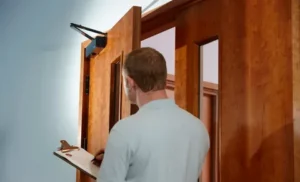
Every fire door survey includes a detailed assessment of the full door assembly, including: Door leaf, Door frame, Hinges, Smoke seals, Intumescent strips, Door closers, Locks and handles, Glazing, Door gaps, Ironmongery. At Liviosiv we are not just looking for defect detection. We help clients understand risks, prioritise corrective actions and make informed decisions about long-term fire safety compliance. Whether you manage one HMO or a large residential or commercial portfolio, we offer practical fire door compliance support to your building.
Fire Safety Services
Fire Safety Certificate
Fire Extinguisher Services
Fire Risk Assessment
Fire Door Installer
Fire Door Survey
Door Repair
Door Replacement
Fire Door Maintenance
Fire Survey Certificate Cost London
Service
Price
Upto 6 Doors
£85 Each Doors
Upto 12 Doors
£79 Each Doors
Door Types We Survey and Inspect
We check FD30 and FD30S fire doors, communal fire doors, flat entrance doors, glazed fire doors, composite fire doors, timber fire doors, internal fire doors, external fire doors, fire exit doors, and commercial fire-rated door sets, along with the non-fire doors found alongside them in most surveys:
Front and Entrance Doors — front doors, new front doors, wooden front doors, oak front doors, composite front doors, Victorian front doors, entrance doors and front entrance doors.
Internal Doors — internal doors, interior doors, wooden internal doors, oak internal doors, white internal doors, internal cottage doors, panel doors (4 panel and 6 panel), internal door frames, living room doors, and doors for bedrooms and bathrooms.
Glass and Glazed Doors — internal glass doors, glazed internal doors, interior glazed doors, glass panel doors, oak doors with glass, glass sliding doors with lock mechanisms, and interior double doors.
French and Bi-fold Doors — French doors, internal French doors, wooden French doors, French doors external, bifold doors internal, bifold patio doors, and folding door internal assemblies.
External and Exterior Doors — external doors, exterior doors, external wooden doors, exterior wood doors, modern exterior doors, external oak doors and wooden outer doors.
Composite and uPVC Doors — composite doors, composite back doors, composite external doors, uPVC entrance doors, uPVC external doors and uPVC windows and doors.
Kitchen and Cupboard Doors — kitchen doors, kitchen cupboard doors and cupboard doors, where these form part of a wider property inspection.
Industrial Doors — industrial doors and fitted garage doors on commercial and mixed-use sites.
Door Hardware — door closers, door handles, exterior door handles, door alarms and door restrictors, all assessed as part of the wider door set during a fire door inspection.
Every fire door survey includes a detailed assessment of the full door assembly, including door leaf, door frame, hinges, smoke seals, intumescent strips, door closers, locks and handles, glazing, door gaps and ironmongery. At Liviosiv we’re not just looking for defect detection — we help clients understand risks, prioritise corrective actions and make informed decisions about long-term fire safety compliance. Whether you manage one HMO or a large residential or commercial portfolio, we offer practical fire door compliance support.
Fire Door Surveys for Internal Doors, Entrance Doors and Communal Fire Doors
Different types of buildings require different fire door arrangements. Flat entrance doors within apartment blocks help prevent fire spreading into communal escape routes. In HMOs, internal fire doors protect corridors, stairwells, bedrooms and communal areas. Each fire door is assessed according to its location, purpose and visible compliance condition.
Helping Property Owners Stay Compliant with UK Fire Safety Regulations Fire safety legislation places responsibilities on landlords, building owners, employers and Responsible Persons to maintain suitable fire safety measures, and fire doors form a major part of those responsibilities. Poorly maintained or non-compliant fire doors can increase fire spread risk, smoke movement, risk to occupants, liability concerns, insurance complications and compliance failures. Many landlords and property managers now arrange regular inspections to support ongoing compliance management and demonstrate reasonable fire safety precautions.
Detailed Fire Door Inspection Reports with Compliance Recommendations After completing the survey, we provide a clear fire door inspection report outlining the doors inspected, visible defects identified, compliance concerns, photo evidence where applicable, recommendations for remedial works, guidance on repairs or replacement, and priority actions where required. Our reports are written in clear, practical language so landlords, agents and businesses understand the findings and next steps.
What Is a Fire Door Survey?
Understanding the Purpose of Fire Door Inspections A fire door survey is a thorough inspection intended to determine whether fire doors are still able to perform correctly in the event of a fire. Fire doors are designed to slow the spread of smoke and fire for a period of time. Damage, wear, poor maintenance and incorrect alterations can reduce their efficiency over time — a professional survey helps pinpoint these problems before they become serious safety issues.
Why Fire Doors Are Critical for Life Safety and Smoke Protection During a fire, properly functioning fire doors help protect escape routes, slow fire progression, reduce smoke spread, protect occupants, limit damage to the building and support safer evacuation. Smoke control is especially important because smoke often spreads faster than flames, which is why smoke seals and self-closing devices play such an important role.
The Difference Between Fire Door Surveys, Fire Door Checks and Fire Door Maintenance A fire door survey or inspection is a detailed, compliance-focused inspection carried out by a competent professional. Routine fire door checks are often basic visual inspections performed by building management or maintenance teams. Fire door maintenance is the regular servicing, repairs and remedial works needed to keep doors compliant over time. All three are part of a responsible fire safety management scheme.
How Fire Doors Help Protect Escape Routes Safe escape routes are necessary for the safe evacuation of residential blocks and commercial premises. Fire doors help protect corridors, stairwells and communal escape routes by containing fire and smoke within defined compartments. If a building isn’t well compartmentalised, smoke and flames can travel much more rapidly.
Why Regular Fire Door Inspections Matter for Legal Compliance Fire door condition can change over time — heavy use, accidental damage, poor repairs, refurbishment works and general wear can all affect performance. Routine inspections help property owners identify defects early, maintain compliance records, reduce long-term costs, support insurance requirements, improve occupant safety, and demonstrate due diligence.
Who Needs a Fire Door Inspection?
Fire Door Surveys for Landlords and Letting Agents
Landlords are responsible for helping ensure tenants are protected from avoidable fire risks. Fire door inspections are particularly important within HMOs, shared accommodation, blocks of flats, buildings with communal areas, and multi-occupied residential properties. Many landlords arrange inspections following fire risk assessment recommendations, licensing requirements, or property refurbishments.
Fire Door Inspections for HMOs and Shared Accommodation HMO buildings often contain multiple fire doors protecting bedrooms, corridors, stairwells and communal areas. Because these buildings typically involve higher occupancy levels and shared escape routes, maintaining compliant fire doors is especially important. Common HMO defects include missing smoke seals, excessive gaps, damaged closers, non-compliant hinges and doors wedged open.
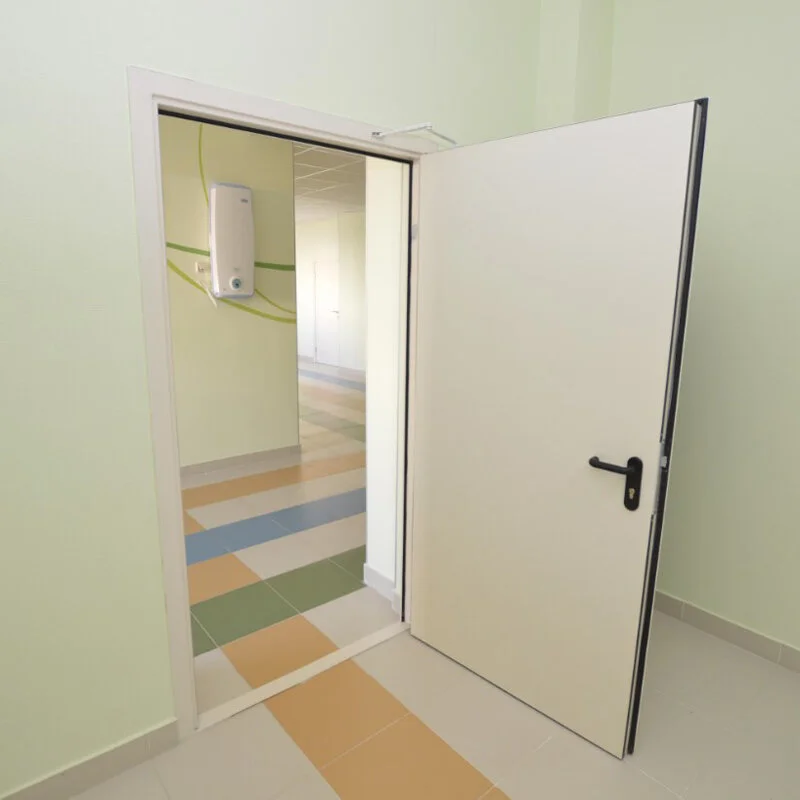
Fire Door Compliance Checks for Blocks of Flats and Communal Areas
Communal fire doors and flat entrance doors are now receiving increased attention under current fire safety regulations. Managing agents and freeholders frequently arrange inspections to support compliance management and resident safety.
Commercial Fire Door Inspections for Offices, Shops and Public Buildings Commercial properties rely heavily on fire compartmentation to help protect staff, customers, visitors and escape routes. We inspect fire doors across offices, retail premises, restaurants, educational buildings, warehouses, hotels, healthcare facilities and public buildings.
Fire Door Surveys for Schools, Healthcare and Hospitality Properties Higher-occupancy environments often contain complex escape routes and vulnerable occupants. Regular inspections help maintain safer evacuation arrangements and support ongoing compliance.
Fire Door Inspections for Property Managers and Freeholders Property managers are often responsible for maintaining compliance across multiple properties and communal areas. We provide scheduled inspections, portfolio surveys, and practical remedial guidance to support ongoing building safety management.
Fire Door Regulations and Legal Responsibilities in the UK
Regulatory Reform (Fire Safety) Order 2005 Explained The Regulatory Reform (Fire Safety) Order 2005 places duties on Responsible Persons to maintain appropriate fire safety measures within buildings. Fire doors form an important part of those measures.
Fire Safety Act and Fire Safety (England) Regulations The Fire Safety Act 2021 and the Fire Safety (England) Regulations 2022 increased focus on flat entrance doors and communal fire doors within residential buildings. Many property owners now carry out more regular inspections to help demonstrate compliance.
Legal Responsibilities of the Responsible Person
The Responsible Person may include landlords, employers, building owners, managing agents, freeholders and facilities managers. Their duties include helping ensure fire safety systems remain suitable and properly maintained.
Fire Door Requirements for Flats, HMOs and Commercial Premises Different buildings require different levels of fire compartmentation depending on occupancy, layout and risk profile.
Understanding Fire Door Inspection Frequency and Maintenance Duties Inspection frequency varies depending on the type of building and level of usage — higher-risk and high-traffic buildings generally require more regular inspections and maintenance.
Why Fire Door Records and Compliance Reports Matter
Maintaining clear inspection records helps demonstrate that reasonable fire safety management measures are in place, supporting insurance reviews, licensing applications, fire risk assessment recommendations, compliance audits and property management responsibilities.
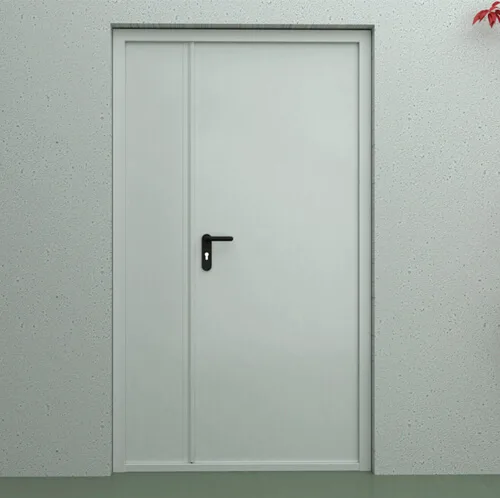
What We Check During a Fire Door Inspection
- Inspection of the fire door leaf and structural condition
- Checking door frames and installation quality
- Assessing door gaps and threshold clearances
- Inspection of intumescent strips and cold smoke seals
- Checking door closers and self-closing devices
- Testing hinges, handles, locks and ironmongery
- Inspection of fire-rated glass and glazing panels
- Checking door alignment, binding and closing performance
- Inspection of signage, apertures and additional door components
- Ensuring the entire fire door set functions correctly together
Common Fire Door Defects Identified During Surveys
- Excessive gaps around fire doors
- Missing or damaged smoke seals and intumescent strips
- Faulty door closers and non-compliant hardware
- Incorrect hinges and ironmongery issues
- Warped or damaged fire door leaves
- Poorly installed internal and external fire doors
- Fire doors that fail to close fully into the frame
- Damage caused by wear, impact and lack of maintenance
Understanding Fire Door Ratings and Compliance Standards
What FD30 and FD30S Fire Doors Mean FD30 fire doors are designed to resist fire for approximately 30 minutes. FD30S fire doors also include smoke protection through smoke seals.
The Difference Between Fire Resistance and Smoke Protection Fire resistance helps slow flames and heat, while smoke protection helps reduce smoke spread during the early stages of a fire.
Why Certified Fire Door Components Matter Fire doors are tested as complete assemblies. Replacing components with incompatible products can affect overall performance.
Understanding Fire Door Gaps, Seals and Performance Requirements Correct gap tolerances and properly fitted seals are essential for effective fire and smoke control.
The Importance of Third-Party Certification and Accredited Door Sets Third-party certification helps demonstrate that products and installations meet recognised standards.
Fire Door Survey Reports and Certification
What Is Included in a Professional Fire Door Inspection Report Door identification, inspection findings, compliance observations, defect descriptions, photographic evidence, recommendations and suggested corrective actions.
Photo Evidence and Detailed Defect Identification Photographs help property owners and contractors understand identified issues more clearly.
Clear Compliance Findings and Risk Explanations We explain findings in practical language to help clients understand the risks and recommended actions.
Fire Door Certification and Compliance Documentation Where a door passes inspection, or where remedial works bring it back into compliance, we issue a fire door certificate to support your wider fire safety records.
Recommendations for Repairs, Upgrades or Replacement Many defects can be addressed through remedial works rather than full replacement. Where replacement is genuinely necessary, we explain the reasons clearly and can carry out the fire door replacement or new fire door installation ourselves.
Supporting Landlords, Businesses and Managing Agents with Compliance Records Our reporting process is designed to support ongoing building safety and compliance management.
If Your Survey Finds a Problem — We Handle the Next Step Too
A fire door survey is only useful if something happens after it. If our inspection finds a fire door needs attention, we don’t just hand you a report and leave you to find someone else — we carry out whatever comes next ourselves:- Straightforward fault? Our fire door repairs team fixes it.
- Formally non-compliant? Our fire door remedial works team restores it to certified performance.
- Beyond repair? Our fire door replacement and fire door installation teams fit a new, compliant door.
- Just needs ongoing care? Our fire door maintenance service keeps it compliant between surveys.
How Often Should Fire Door Inspections Be Carried Out?
Inspection Frequency for Residential Buildings and Flats Residential buildings and communal areas should be inspected regularly, according to occupancy and fire risk. Under the Fire Safety (England) Regulations 2022, buildings over 11 metres generally require quarterly checks of communal fire doors and annual checks of flat entrance doors, on a best-endeavour basis.Fire Door Inspection Requirements for HMOs HMOs generally require closer monitoring due to higher occupancy and increased daily use.Commercial Building and Workplace Inspection Guidance Commercial buildings with heavy traffic may require more frequent inspections.Higher-Risk Environments and High-Traffic Areas Schools, hospitals, hotels and busy communal buildings often require increased maintenance attention.Why Routine Fire Door Maintenance Reduces Long-Term Costs and Risks Early identification of defects usually helps reduce larger repair costs later, and improves reliability and safety. See our fire door maintenance page for our ongoing servicing options.Sectors We Support Across London
Residential homes and flats, HMOs and shared accommodation, apartment blocks and communal buildings, commercial offices, retail and hospitality premises, schools and healthcare buildings, industrial and warehouse properties, and portfolios managed by estate agents, letting agents and property management companies.
Our Fire Door Survey Process
- Initial enquiry and property assessment
- Booking the inspection and arranging access
- On-site fire door inspection by qualified professionals
- Detailed assessment of every fire door component
- Preparation of the fire door inspection report and certification
- Providing compliance guidance and remedial recommendations
- Supporting ongoing fire door maintenance and future compliance
Why Choose Liviosiv for Fire Door Surveys?
- Accredited by NICEIC, NAPIT, IFSM, City & Guilds, NEBOSH, TrustMark and the Gas Safe Register
- Experienced fire door inspection and compliance specialists
- Clear, honest and practical reporting
- Support for landlords, managing agents and commercial clients
- Professional advice without unnecessary replacement recommendations
- Efficient surveys with minimal disruption to occupants
- Comprehensive fire safety and property compliance services under one roof — survey, repair, remedial works, replacement and certification, all from the same team
Book a Fire Door Survey in London
Frequently Asked Questions (FAQ)
What Is a Fire Door Survey?
A fire door survey is a professional inspection to ensure fire doors are compliant and will work correctly in the event of a fire.
What Is the Difference Between a Fire Door Survey and a Fire Door Inspection?
The terms are often used interchangeably, both relating to a detailed assessment of fire door condition and compliance.
Are Fire Door Inspections a Legal Requirement?
Under fire safety law, the Responsible Person must keep fire safety provisions in place — this includes fire doors.
How Often Should Fire Doors Be Inspected?
Inspection frequency is based on building type, occupancy levels and usage.
How Much Does a Fire Door Survey Cost in London?
Up to 6 doors is £85 each, and up to 12 doors is £79 each.
What Happens if a Fire Door Fails Inspection?
The report will pinpoint problems and recommend appropriate corrective actions and we can carry out the repair, remedial works or replacement needed ourselves, followed by a fire door certificate.
Can Fire Doors Be Repaired Instead of Replaced?
Depending on the condition of the door, many defects can be corrected by remedial works rather than a full swap.
Do Flat Entrance Doors Need Inspection?
Yes. Flat entrance doors are important for compartmentation and communal fire safety.
What Are the Most Common Fire Door Defects?
Excessive gaps, damaged seals, faulty closers, incorrect hinges and poor installation.
How Long Does a Fire Door Inspection Take?
Inspection times depend on the number of doors and complexity of the structure.
Will I Receive a Fire Door Inspection Certificate and Report?
Yes. After the survey, we will produce a full report with findings and recommendations.
Can Multiple Fire Doors Be Inspected During One Visit?
Yes. We regularly check certain doors in communal buildings and larger properties.
Accrediations

 contact@liviosiv.co