
Energy Performance Certificates (EPCs) for Residential, Commercial and New Build Properties
Liviosiv offers professional EPC assessments for residential, commercial and new build properties across London. We have accredited energy assessors who offer a simple and efficient service to help homeowners, landlords, property managers, estate agents, businesses and developers get accurate and fully compliant EPC certificates.
Whether you require a Residential EPC, Commercial EPC or SAP EPC for a new build project, our team can guide you through the process and provide the certification you need without the hassle.

What Is an Energy Performance Certificate (EPC)?
An Energy Performance Certificate is a certificate that assesses and records the energy efficiency of a building. The certificate provides a standardised assessment that enables buyers, tenants, landlords and property owners to understand how efficiently a property uses energy and where improvements may be possible.
An EPC is valid for ten years, unless you make significant changes to the property that warrant an updated assessment before then.
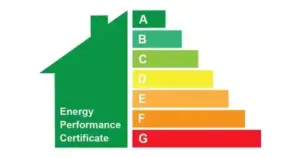
EPC Rating | Energy Efficiency Level | What It Means |
A | Excellent | Highly energy-efficient properties with very low energy consumption, lower utility bills, and reduced carbon emissions. Usually found in modern or highly upgraded buildings. |
B | Very Good | Strong energy performance with efficient heating, insulation, and building fabric. Running costs are typically lower than average. |
C | Good | Above-average energy efficiency. Many newer homes and well-maintained properties achieve this rating. Often considered attractive to buyers and tenants. |
D | Average | The most common EPC rating in the UK. Properties tend to do reasonably well but they may have scope for energy efficiency improvements. |
E | Below Average | Lower energy efficiency, higher heating and energy costs. This is now the minimum EPC rating for most rented properties unless a valid exemption applies. |
F | Poor | Significant energy inefficiencies are present. Properties may experience considerable heat loss, higher fuel bills, and reduced appeal to tenants and buyers. |
G | Very Poor | The lowest level of energy. Properties often require major improvements to insulation, heating systems, glazing or other energy saving measures. |
Geographical Breakdown of London’s Districts
East London
South London
West London
North London
What Information Is Included in an EPC Report?
An EPC offers much more than a basic rating. The report highlights the property’s energy characteristics and opportunities for enhancement.
Typical information contained within an EPC includes:
- Current energy efficiency rating
- Potential energy efficiency rating
- Environmental impact rating
- Estimated energy costs
- Heating system assessment
- Insulation information
- Window and glazing performance
- Lighting efficiency
- Recommended improvements
- Estimated savings from upgrades
These recommendations can help property owners make informed decisions about future improvements and investment priorities.
How Our EPC Assessment Process Works
Book Your EPC Assessment
Property Inspection by an Accredited Assessor
Collection of Property and Energy Data
EPC Calculation and Quality Checks
EPC Registration and Certificate Delivery
When Do You Need an Energy Performance Certificate?
Many property owners don’t begin searching for an EPC until they are about to commence a sale or a tenancy. But leaving it until the last minute can create unnecessary delays and potential compliance issues. Energy Performance Certificates (EPCs) in England and Wales are mandatory in a wide variety of situations for both residential and commercial properties. The first thing to know is when you need an EPC so you can avoid complications and make sure your property deal goes smoothly. If you are a homeowner, landlord, business owner, developer or property manager, the right certification at the right time is key.
EPC Requirements When Selling a Property: If you intend to sell a residential or commercial property, a valid EPC is generally required before the property is marketed.
EPC Requirements for Rental Properties: Landlords have a few legal requirements concerning Energy Performance Certificates.Normally a valid EPC should be available before a property is offered to prospective tenants. The certificate helps tenants understand expected energy performance and provides information of likely energy costs . With the introduction of Minimum Energy Efficiency Standards (MEES), landlords are now more concerned with EPC compliance. In most cases a private rented home will need to have a minimum EPC rating before it can be legally let, unless there is a valid exemption.
EPC Requirements for Commercial Buildings: In most cases, whether you are leasing office space, marketing a retail unit, selling a warehouse or managing a mixed-use development, an EPC is required before the property is marketed. Business owners, investors, commercial landlords and property management companies often use EPC assessments to assist with leasing transactions, asset management and regulatory compliance programmes.
EPC Requirements for New Build Properties: The process for new build properties is different to the standard EPC assessment and requires SAP calculations and energy modelling at the design and construction stages. Developers must show they’ve complied with the existing Building Regulations and energy performance standards. The final EPC is part of the paperwork required for completion and occupation. The right SAP EPC documentation at the right stages avoids delays with Building Control approvals and project handovers.
EPC Requirements for Property Conversions and Change of Use Projects
Property conversions often trigger additional EPC requirements.
Examples include:
- Converting offices into residential flats
- Splitting a single dwelling into multiple units
- Barn conversions
- Mixed-use developments
- Change of use projects requiring Building Control approval
These projects frequently require SAP calculations and specialised assessments to demonstrate compliance with current energy performance standards. Developers, architects, contractors, and property investors should consider EPC requirements early in the planning process to avoid unnecessary delays later in the project.
Residential Energy Performance Certificates
Liviosiv carries out residential EPC assessments across London for a wide range of property types, from studio flats and family homes to HMOs and larger residential developments.
EPCs for Houses and Flats: Whether you own a modern apartment or a period family home, an EPC provides an independent assessment of the property’s energy performance.
EPCs for Landlords and Letting Properties: In most cases, landlords need to make sure an EPC is available before they start marketing a property to prospective tenants. Often the EPC rating can also impact on the property’s compliance with current rental regulations. We regularly help landlords throughout London to conduct EPC assessments on both individual properties and larger rental portfolios.
EPCs for HMOs and Shared Accommodation: EPC requirements can depend on the configuration of the property. It is important to understand what your HMO is actually required to do to comply with energy performance regulations and wider housing obligations. Our assessors can give advice on the layout of the property and its intended use.
EPCs for Property Sales: Often the delays in the sale of a property are due to the fact that the compliance documentation has not been prepared in advance. Having an EPC early in the sales process helps to ensure estate agents can market the property without unnecessary interruptions. Many sellers use the EPC report as a way of identifying improvements that may make it more appealing to buyers before the property goes on the market.
How Residential EPC Assessments Are Carried Out
A residential EPC assessment involves a visual inspection of the property’s energy-related features.
The assessor will typically examine: Heating systems, Boiler type, Hot water provision ,Insulation levels, Windows and glazing, Fixed lighting, Property dimensions, Construction characteristics
The collected information is then entered into approved assessment software, which calculates the property’s energy rating and generates the final report.
Commercial Energy Performance Certificates
Commercial Energy Performance Certificates are required for many types of non-domestic buildings when they are sold, leased or marketed. Commercial assessments may involve more complex building systems, larger floor areas and different occupancy patterns which are different to Residential EPCs. At Liviosiv we offer Commercial EPC assessments in London for a variety of sectors and property types.
EPCs for Offices: Office buildings often contain a combination of heating, cooling, ventilation, lighting, and occupancy control systems that directly influence energy performance.
EPCs for Retail Units and Shops: Retail premises vary significantly in size and energy demands. High street shops, shopping centre units, convenience stores, and larger retail outlets all require compliant EPC certification when being sold or leased. Our assessors evaluate the property’s energy performance and provide recommendations that may help improve efficiency over time.
EPCs for Restaurants and Hospitality Premises: Restaurants, cafes, hotels, pubs and other hospitality venues use a lot of energy for heating, ventilation, kitchen appliances, lighting and because they are open for long periods of time. An EPC rating gives a better understanding of the performance of the building as a whole and identifies areas for improvement that can help to reduce energy costs and improve efficiency. Understanding building performance can help hospitality businesses make better investment decisions in light of rising utility costs.
EPCs for Warehouses and Industrial Buildings: Warehouses and industrial buildings might pose special challenges for assessments due to their size, building methods and operational needs. The design of the building, along with the levels of insulation, lighting systems and heating arrangements, can all have a major effect on EPC ratings. If you operate a distribution centre, manufacturing facility, storage unit or logistics property, obtaining a compliant EPC is an important part of property management and legal compliance.
EPCs for Mixed-Use and Multi-Occupancy Properties: Mixed-use buildings may contain a mix of residential, retail, office or commercial uses on the same property. Getting the right certification for these buildings is often a matter of careful judgement. Our team has experience with mixed-use developments and can help property owners understand their obligations and certification requirements.
Minimum Energy Efficiency Standards (MEES) for Commercial Properties: Minimum Energy Efficiency Standards continue to impact the commercial property sector. If a property has a poor EPC rating it may not be allowed to be let unless an exemption applies. With regulation changes, many commercial landlords are proactively reviewing building performance to ensure long-term compliance. Knowing your EPC position today can help you avoid costly compliance challenges down the road.
SAP EPCs for New Build and Conversion Projects
SAP EPCs are instrumental in today’s construction and development projects. They are used to demonstrate compliance with Building Regulations and for assessing the energy performance of new build residential dwellings. Developers, architects, builders and self-build property owners often need to carry out SAP calculations at various stages of a project. At Liviosiv we support projects from initial design to final certification.
What Is a SAP EPC?
SAP is an acronym for Standard Assessment Procedure. It is the method used for calculating the energy performance of new dwellings and some conversion schemes. SAP calculations are often carried out before construction has been completed, unlike standard EPC assessments. The results are used to demonstrate compliance with current Building Regulations and energy efficiency requirements.
SAP Calculations for New Build Homes
Every new residential dwelling typically requires SAP calculations before completion.
The calculations consider factors such as: Building fabric performance, Insulation specifications, Heating systems, Ventilation systems, Renewable technologies, Construction methods, Window performance, Hot water systems
These calculations help determine whether the proposed design meets current energy efficiency requirements.
SAP EPCs for Flat Conversions: Converting existing buildings into residential flats often triggers SAP assessment requirements. Examples include: Office-to-residential conversions, Commercial-to-residential conversions, Large house conversions, Mixed-use redevelopment projects. Early planning can help avoid delays and ensure compliance requirements are met throughout the project.
SAP EPCs for Change of Use Developments: Complex compliance issues can arise with change of use projects. If a building is being converted from commercial to residential use, or is being substantially altered, SAP calculations can be an important part of the approval process. Our team works with developers and construction professionals to make sure all the necessary assessments are done right.
Building Control and Compliance Requirements: Building Control approval is often dependent on demonstrating compliance with current energy efficiency standards. Accurate SAP calculations and EPC documentation help support: Building Regulation compliance, Planning requirements, Project completion, Occupation approval, Final certification. Obtaining the correct assessments at the right stage can save considerable time and expense later in the project.
What Does an EPC Assessor Check During an Inspection?
One of the most common questions property owners ask is what actually happens during an EPC assessment.
The inspection focuses on the features that influence a property’s energy performance. The assessor collects information about the building and its systems before using approved methodologies to calculate the final rating.
- Heating Systems and Controls
- Boiler Efficiency and Hot Water Systems
- Loft, Roof and Wall Insulation
- Windows and Glazing Performance
- Fixed Lighting and Energy Efficient Features
- Renewable Energy Technologies
- Property Measurements and Construction Details
How Can You Improve Your EPC Rating?
One of the great things about an Energy Performance Certificate is the practical advice that comes with it on how to make a property more energy efficient. The recommendations within the EPC report are specific to the building and can assist you in identifying improvements that could lower energy consumption, reduce utility bills and improve the overall EPC rating.
Even relatively simple upgrades can have a positive effect on energy performance and long-term running costs, which is a surprise to many property owners.
Common Quick-Win EPC Improvements
Improvement | Potential Benefit |
Loft insulation | Reduces heat loss through the roof |
LED lighting | Lowers electricity consumption |
Smart heating controls | Improves heating efficiency |
Draught-proofing | Reduces unwanted heat loss |
Hot water cylinder insulation | Improves hot water efficiency |
Boiler servicing | Helps maintain optimal performance |
What Are the Cheapest Ways to Improve an EPC Rating?
Some EPC improvements require substantial investment, but many effective measures are relatively affordable.Low-Cost EPC Improvements
| Improvement | Cost Level | Potential Impact |
| LED lighting | Low | Moderate |
| Loft insulation | Low to Medium | High |
| Draught-proofing | Low | Moderate |
| Heating controls | Low to Medium | Moderate |
| Pipe insulation | Low | Moderate |
| Boiler servicing | Low | Moderate |
EPC Regulations and Landlord Responsibilities
Energy Performance Certificates are governed by a range of regulations designed to improve transparency and encourage greater energy efficiency across the property sector. For landlords in particular, understanding EPC obligations is essential to maintaining compliance and avoiding unnecessary penalties.
Minimum Energy Efficiency Standards (MEES): Minimum Energy Efficiency Standards (MEES) were introduced to improve the energy performance of privately rented properties. The regulations are designed to reduce energy use, improve living conditions and encourage investment in more efficient buildings. MEES rules have made EPC ratings much more of a big deal for landlords than they have been in the past. Knowing your property’s current rating helps you plan for improvements and reduce the risk of future compliance issues.
Minimum EPC Ratings for Rental Properties: Current regulations mean that there is a legal minimum EPC rating for any property to be let privately (unless an approved exemption applies). As energy efficiency policy continues to develop, many industry experts expect the rental sector to continue to focus on improving standards. Landlords who check their EPC rating early are usually better prepared for the changes to come.
EPC Validity and Renewal Requirements
A standard EPC remains valid for ten years from the date of issue.
However, obtaining an updated EPC may be beneficial if: Significant improvements have been made, The property has been substantially altered, A stronger rating is likely to be achieved, A more accurate reflection of current performance is required. Many landlords choose to reassess properties following major upgrade works to demonstrate improved efficiency.
Potential Penalties for Non-Compliance: Failing to comply with EPC regulations can result in financial penalties and enforcement action.
Potential consequences may include: Monetary fines, Restrictions on property marketing, Restrictions on letting activities, Increased regulatory scrutiny. Ensuring a valid EPC is available before marketing or leasing a property helps reduce these risks.
EPC Exemptions and Special Circumstances: Certain properties may qualify for exemptions under specific circumstances. Examples can include: Listed buildings in certain situations, Temporary buildings, Certain places of worship, Specific commercial property categories. Exemptions can be complex, and property owners should always seek professional guidance before assuming an exemption applies.
Check an Existing EPC Certificate Online with the EPC Checker
If you already have an Energy Performance Certificate, you can use the official government EPC Checker to verify your EPC rating, expiry date, and recommended energy improvements.
The official EPC Checker and Energy Performance Certificate Register allow you to: Check an EPC certificate by postcode, View your EPC rating, Download an existing EPC certificate, Confirm certificate expiry dates, Review energy efficiency recommendations, Verify whether a valid EPC already exists
Before booking a new assessment or searching for an EPC assessor near me or EPC certificate near me, it is always worth using the EPC Checker to see if your property already has a valid certificate on the government register. If no valid EPC is available, Liviosiv can arrange a fast and professional EPC assessment for residential, commercial, and SAP EPC requirements across London.
Search the Official EPC Register: Landlords can also search existing EPC records in the official government database. People who use residential properties can search the government’s EPC register by postcode or by property address. There are separate registers for commercial properties, depending on the type of building and the method of assessment used. If you don’t know whether your property already has an EPC in place, we’re happy to help at Liviosiv.
When Should You Order a New EPC?
Even if a certificate exists, there are situations where obtaining a new EPC can be beneficial.
These include: Your current EPC has expired, Significant energy improvements have been completed, The property has been extended or altered, You want to improve your rating before selling, You are preparing for future MEES requirements, The existing certificate no longer reflects the property’s current condition.
Often a new assessment can identify improvements that may have a positive impact on buyers, tenants and lenders.
Frequently Asked Questions (FAQ)
Is an Energy Performance Certificate legally required?
Yes. Most properties that are sold or rented need an EPC, and it must be given to buyers or tenants. There are some exceptions, but most homes and businesses need one.
How long does an EPC remain valid?
An EPC is good for ten years from the day it was issued. If the property goes through major changes, you might need a new certificate sooner.
Can I check if my property already has an EPC?
Yes. You can look up EPCs on the national EPC register by using the property’s address or the certificate reference number.
What happens if I do not have a valid EPC?
You could have to pay fines, wait longer to sell or rent, and even have to deal with local authorities taking action against you.
Do landlords have additional EPC responsibilities?
Yes. Before renting out a property, landlords must meet Minimum Energy Efficiency Standards and give tenants EPCs.
Does an EPC measure actual energy bills?
No, EPCs use standard assumptions to figure out how much energy a property usually uses, which makes it easy to compare properties.
Are commercial EPCs different from domestic EPCs?
Yes. Commercial EPCs use different ways to evaluate buildings and take into account things like how they will be used and where they are located.
How long does an EPC assessment take?
Most home EPCs last between 30 and 60 minutes. It may take longer for bigger or business properties.
Will the assessment disrupt occupants?
No. EPC assessments don’t bother people and usually don’t cause much trouble.
Can improving my EPC rating increase property value?
Yes. Better ratings often make a business more appealing to customers, lower its operating costs, and help it follow current and future rules.
Accrediations






Ready to Book Your EPC?
If you need a reliable, compliant Energy Performance Certificate in London, book your assessment today. Clear advice, accredited assessors, and straightforward service — no stress, no guesswork, full compliance.Contact us now to arrange your EPC assessment.
 contact@liviosiv.co