
Gas Safety Certificate (CP12) London | Gas Safe Registered Engineers
Liviosiv provides professional Gas Safety Certificate (CP12) inspections across London, carried out exclusively by Gas Safe registered engineers. Whether you are a landlord, homeowner, letting agent or commercial property manager, we help you meet your legal gas safety obligations with fast appointments, transparent pricing, same-day digital certificates and fully compliant inspections. Trusted by landlords and businesses across London, we also provide EICRs, PAT Testing, Fire Risk Assessments and other property compliance services under one roof.
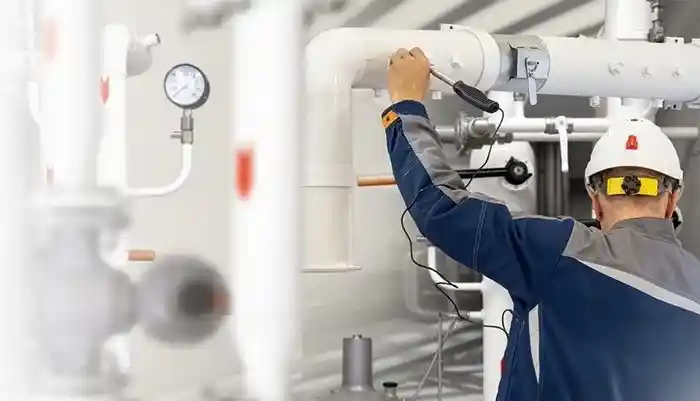
Landlord Gas Safety Certificate London
If you’re a landlord renting out a property with gas appliances, obtaining a Landlord Gas Safety Certificate (CP12) is a legal requirement under the Gas Safety (Installation and Use) Regulations 1998. Every gas appliance, flue and associated pipework provided for tenants must be inspected by a Gas Safe registered engineer at least once every 12 months to confirm they are safe to use.
At Liviosiv, we provide professional Landlord Gas Safety Certificates for landlords, letting agents, housing associations and property managers across London. Our inspections cover boilers, gas hobs, cookers, gas fires, water heaters, pipework, flues and ventilation, with same-day digital certificates issued once the property successfully passes the inspection.
As a landlord, you must provide a copy of the current Gas Safety Certificate to new tenants before they move in and to existing tenants within 28 days of the inspection. You are also required to keep your gas safety records for a minimum of two years, although maintaining a continuous inspection history is considered best practice.
Gas Safety Certificate Services
Commercial Gas Safety Certificate (CP42)
Domestic Gas Safety Certificate
Domestic Gas Safety (CP12) Certificate Cost
Services
Price
Boiler Service
£87
Meter + 1 Appliances
£73
Meter + 2 Appliances
£83
Meter + 3 Appliances
£93
Meter + 4 Appliances
£103
What Is a Gas Safety Certificate (CP12)?
A gas safety certificate, known as a CP12, is the record issued after a Gas Safe registered engineer inspects every gas appliance, pipe and flue in a property and confirms they are safe to use. It is required annually for any rented property in England with a gas supply, under the Gas Safety (Installation and Use) Regulations 1998. The certificate lists each appliance checked, the results of the inspection, and the engineer’s Gas Safe registration number.
CP12 vs CP17 vs CP42. Which Certificate Do You Need?
Most residential landlords need a CP12 (Landlord Gas Safety Record). Non-domestic premises offices, shops, warehouses need a CP17 (Gas Installation Safety Report). Commercial kitchens with catering equipment need a CP42 (Commercial Catering Inspection Record). If you are unsure which applies to your property, tell us the property type when you book and we will confirm the right certificate before the engineer attends.
New Build Gas Safety Certificates
New-build properties with gas appliances need a gas safety certificate before first occupation, confirming the installation is safe from day one rather than waiting for the first annual renewal. Liviosiv carries out new-build gas safety certification alongside standard CP12 inspections, so developers and landlords bringing a new property into use can get compliant before tenants move in.
Gas Safety Certificate vs Boiler Service: What is the Difference?
A gas safety certificate is a legal pass/fail safety inspection. A boiler service is separate maintenance work cleaning components, checking seals, and optimising performance — that keeps your boiler running efficiently and protects its manufacturer warranty. The two are often confused because the same engineer can carry out both in one visit, but only the safety inspection produces a CP12.
Can You Book Both in One Visit?
Yes. Booking a CP12 and a boiler service together means one appointment instead of two, and no second disruption for your tenants.
Do You Need a Gas Safety Certificate?
Landlords: It is a Legal Requirement
If you let a property in London with any gas appliance — a boiler, gas hob, or gas fire — you are legally required to have it inspected every 12 months by a Gas Safe registered engineer and to hold a valid CP12 at all times.
Do Homeowners Need a Gas Safety Certificate?
Homeowners are not legally required to hold a gas safety certificate for their own property. It is still strongly recommended: an annual check identifies faults, leaks and carbon monoxide risks before they become dangerous, and many home insurance policies expect evidence of regular gas safety maintenance.
How Long Does a Gas Safety Certificate Last?
A CP12 is valid for 12 months from the date of inspection, not from the date it is issued or from when a tenancy begins. You can renew up to two months before expiry without losing the original renewal date, so booking early carries no downside.
Why London Landlords Legally Need a CP12
Every rented property in London with a gas supply must have a current CP12. This is not a local London rule it applies across England but London’s density of converted flats, HMOs and older gas installations means annual inspection genuinely matters for safety, not just paperwork.
The Gas Safety (Installation and Use) Regulations 1998, Explained
The 1998 Regulations place a legal duty on landlords to have every gas appliance, flue and piece of pipework they own checked annually by a Gas Safe registered engineer, and to give tenants a copy of the certificate. Only engineers on the Gas Safe Register — which replaced CORGI in 2009 are legally permitted to carry out the inspection or sign the certificate.
Section 21 Notices and Your Certificate
A landlord without a valid, in-date CP12 cannot lawfully serve a Section 21 notice to regain possession of a property. Even a certificate that lapses by a single day between inspection and service to the tenant can invalidate a notice, so this is one of the most common and costly compliance gaps for landlords.
The Renters’ Rights Act and the PRS Database (2026 Update)
Under the Renters’ Rights Act, London landlords will need to upload digital proof of a valid CP12 to the Private Rented Sector (PRS) Database. A lapsed certificate is no longer just a compliance oversight; it can freeze a landlord’s ability to manage or regain possession of a property.
Penalties for Non-Compliance
Letting a property without a valid CP12 can lead to a fine of up to £6,000 per appliance, prosecution, and in serious cases imprisonment. It can also invalidate landlord insurance if a gas incident occurs at an uncertified property.
What is Included in Our Gas Safety Inspection
Our 9-Point Safety Check
Every Liviosiv inspection covers: a gas tightness test across the installation; standing and working pressure checks; burner pressure and gas rate against the manufacturer’s data plate; ventilation adequacy; flue flow and spillage testing; flame failure device operation; physical appliance condition and stability; visual pipework inspection; and a carbon monoxide alarm check where applicable.
Gas Appliances We Inspect
Boilers: Every gas boiler type combi, system and heat-only checked against its own manufacturer specification via the data plate and GC number.
Gas Hobs and Cookers: Landlord-owned hobs and cookers are included; tenant-owned cooking appliances are not covered by the landlord’s CP12, though connecting pipework is.
Gas Fires: Fixed gas fires, including older open-flue installations that need closer flue and ventilation checks.
Water Heaters: Gas-fired water heaters checked for safe combustion and correct venting.
Pipework, Flues and Ventilation Checks: Beyond individual appliances, we check the condition of gas pipework throughout the property, confirm flues are clear and correctly routed, and verify each appliance has adequate ventilation for safe combustion in the areas most likely to cause a fault in older London conversions.
Landlord Gas Safety Responsibilities Under UK Regulations
Gas safety is not simply good practice for landlords. It’s a legal requirement.” The law is clear that it is the landlord’s responsibility to ensure that any gas appliances, flues and associated pipework provided within a rental property are safe for the duration of the tenancy. Non-compliance can put tenants at risk and put landlords at risk of enforcement action, financial penalties and possible legal claims. This is why annual gas safety inspections are one of the most important compliance obligations for rental properties in London. Landlords have to make sure that any gas appliances they provide for tenants to use are kept in a safe condition and checked by a Gas Safe registered engineer at least once in any 12 month period, says the Health and Safety Executive (HSE).
Gas Safety (Installation and Use) Regulations 1998
The main piece of legislation relating to the landlord’s gas safety responsibilities is the Gas Safety (Installation and Use) Regulations 1998. These regulations set out the legal obligations of landlords to provide gas appliances in residential accommodation. The regulations require landlords to: Maintain gas appliances, flues and pipework safely, Arrange annual gas safety inspections, Use a Gas Safe registered engineer, Keep records of inspections, Provide copies of certificates to tenants. These requirements apply across England, including all London boroughs.
Annual Gas Safety Inspection Requirements: Every gas appliance provided by the landlord must be checked at least once every twelve months. This inspection helps identify faults that may not be immediately visible but could develop into serious safety risks if left unresolved. Annual inspections typically include checks of: Gas boilers, Gas fires, Gas hobs, Cookers, Ovens, Associated flues, Ventilation arrangements, Pipework connections. Many landlords schedule inspections several weeks before expiry to avoid any gaps in compliance.
Providing Certificates to Tenants: If the inspection has been completed, landlords must provide tenants with a copy of the Gas Safety Certificate. A copy must be provided to current tenants within 28 days of the inspection. A valid certificate must be given to a new tenant before the tenant occupies the property. This obligation helps to ensure tenants are provided with important safety information pertaining to the property they occupy.
Record Keeping and Compliance Obligations: Landlords have to keep gas safety records for at least two years. Keeping records organised can be especially important for any future disputes, insurance claims, queries from the local authority or compliance audits. Many landlords now choose digital certificate storage systems as they make future renewals and compliance much easier to manage.
Penalties for Non-Compliance: Ignoring gas safety obligations can have serious consequences. Potential outcomes may include: Enforcement action by the Health and Safety Executive, Significant financial penalties, Difficulties with landlord insurance claims, Legal liability following gas-related incidents, Restrictions on certain possession proceedings, Reputational damage. Most importantly, failing to maintain gas safety standards can place tenants at genuine risk. For responsible landlords, annual gas safety inspections should be viewed as both a legal requirement and an essential part of protecting occupants.
Our Gas Safe Registered Engineers
Our Accreditations: NAPIT, NICEIC, City & Guilds, TrustMark, Gas Safe Register
Liviosiv is Gas Safe registered, alongside our NAPIT, NICEIC, City & Guilds and TrustMark accreditation plus BAFE, FDIS, IFSM and NEBOSH for our wider compliance services. Every gas safety inspection is carried out by an engineer who is individually Gas Safe registered, not just a company holding general trade accreditations.
How Our London Gas Safety Check Works
Book Online
Tell us your property type, postcode and number of gas appliances, and we’ll confirm a fixed price before you book.
Engineer Visit and Inspection
A Gas Safe registered engineer attends at the agreed time and carries out the full 9-point inspection, typically taking 30–60 minutes depending on the number of appliances.
Certificate Issued
If every appliance passes, your CP12 is issued the same day, ready to send directly to your tenant.
What Happens If an Appliance Fails?
Understanding NCS, AR and ID Fault Codes:If an issue is found, it’s classified using one of three industry codes. Not to Current Standards (NCS) means the appliance is safe but doesn’t meet the newest code — an advisory note, and still a pass. At Risk (AR) means a fault exists that could become dangerous if left, and the appliance should be turned off until repaired. Immediately Dangerous (ID) means the appliance is an immediate threat to life, and the engineer must disconnect it on the spot.
Same-Day Remedial Repairs: Where possible, our engineers carry out remedial repairs on the same visit, rather than leaving a failed appliance unresolved and requiring a second appointment. This means many faults found during inspection are fixed and re-checked before the engineer leaves, so your CP12 can be issued the same day instead of waiting on a follow-up visit.
Remedial Work and Re-Inspection: Where a fault can not be resolved on the same visit, we will explain exactly what needs fixing and provide a fixed quote for the repair. A certificate can’t be issued for a failed appliance until it’s fixed and re-checked, but this does not hold up the certificate for appliances that did pass.
Interim Safety Steps While Repairs Are Arranged: Any appliance classed as At Risk or Immediately Dangerous is made safe disconnected or capped before the engineer leaves, regardless of when the repair itself is scheduled.
Your Legal Responsibilities as a Landlord
The 28-Day Certificate Disclosure Rule
For an existing tenancy, you must give the tenant a copy of the CP12 within 28 days of the inspection. For a new tenancy, the tenant must receive a copy before they move in.
Record-Keeping: How Long to Keep Your CP12
Landlords must keep gas safety records for at least two years, though it’s good practice to retain a continuous multi-year history in case of a council audit or tenancy dispute.
What to Do If a Tenant Refuses Access
You’re legally required to give at least 24 hours’ written notice before an inspection. If a tenant repeatedly refuses access, document every attempt in writing calls, texts, letters, emails as evidence that you took all reasonable steps to comply, which is your defence if the certificate lapses through no fault of your own.
Areas We Cover in London
Central London Areas We Cover
We provide our services throughout Central London, covering Westminster (SW1), the City of London (EC1–EC4), Holborn (WC1), Covent Garden (WC2), Soho (W1), Mayfair (W1K, W1J), Marylebone (W1U, NW1), Fitzrovia (W1T), Bloomsbury (WC1), St James’s (SW1), Pimlico (SW1V), South Bank (SE1), Victoria (SW1), Belgravia (SW1X), Knightsbridge (SW1X), Chelsea (SW3, SW10), Kensington (W8, SW7), Paddington (W2), Bayswater (W2), and Notting Hill (W11). See also our dedicated pages for Bloomsbury, Holborn & Fitzrovia, Belgravia, City of London & Mayfair, Covent Garden, St James’s & Soho, and Victoria, South Bank & Knightsbridge.
North London Areas We Cover
Our team serves properties across North London, including Highgate (N6), Muswell Hill (N10), Crouch End (N8), Finsbury Park (N4), Archway (N19), Hampstead (NW3), Golders Green (NW11), Finchley East (N2), Finchley Central (N3), North Finchley (N12), Mill Hill (NW7), Totteridge (N20), Whetstone (N20), Barnet (EN4, EN5), Enfield Town (EN2), Palmers Green (N13), Winchmore Hill (N21), Southgate (N14), Edmonton (N9, N18), Bounds Green (N11), Wood Green (N22), Alexandra Palace (N22), Holloway (N7), and Islington (N1).
North West London Areas We Cover
We also cover North West London, including Cricklewood (NW2), Kilburn (NW6), Willesden (NW10), Neasden (NW10), Harlesden (NW10), Wembley (HA0, HA9), Alperton (HA0), Kingsbury (NW9), Queensbury (HA3, HA7), Kenton (HA3), Harrow on the Hill (HA1), South Harrow (HA2), North Harrow (HA2), Harrow Weald (HA3), Pinner (HA5), Ruislip (HA4), Stanmore (HA7), Edgware (HA8), Colindale (NW9), Hendon (NW4), Brent Cross (NW4), and Swiss Cottage (NW3).
West London Areas We Cover
Across West London, we provide services in Acton (W3), Chiswick (W4), Ealing (W5), West Ealing (W13), Northfields (W13), Hanwell (W7), Hammersmith (W6), Shepherd’s Bush (W12), White City (W12), Holland Park (W11), Kensington (W8), Southall (UB1, UB2), Brentford (TW8), Isleworth (TW7), Hounslow (TW3, TW4), Osterley (TW7), Feltham (TW13, TW14), Hayes (UB3, UB4), Harlington (UB3), Uxbridge (UB8), Ruislip (HA4), Yiewsley (UB7), and West Drayton (UB7).
South West London Areas We Cover
Our South West London coverage includes Putney (SW15), Wandsworth (SW18), Clapham Junction (SW11), Battersea (SW11, SW8), Balham (SW12), Tooting (SW17), Earlsfield (SW18), Southfields (SW18), Wimbledon (SW19), Raynes Park (SW20), Morden (SM4), Colliers Wood (SW19), Mitcham (CR4), Streatham (SW16), Norbury (SW16), Richmond (TW9, TW10), Twickenham (TW1, TW2), Teddington (TW11), Hampton (TW12), Kingston upon Thames (KT1, KT2), Surbiton (KT5, KT6), and New Malden (KT3).
South London Areas We Cover
We cover all major South London locations, including Brixton (SW2, SW9), Clapham (SW4), Stockwell (SW8, SW9), Vauxhall (SE11), Kennington (SE11), Elephant & Castle (SE1, SE17), Camberwell (SE5), Peckham (SE15), Dulwich (SE21, SE22), Herne Hill (SE24), Crystal Palace (SE19), West Norwood (SE27), Upper Norwood (SE19), South Norwood (SE25), Thornton Heath (CR7), Croydon (CR0, CR2), Purley (CR8), Coulsdon (CR5), Addiscombe (CR0), Shirley (CR0), and Selhurst (SE25).
South East London Areas We Cover
Our engineers regularly attend properties throughout South East London, including Deptford (SE8), New Cross (SE14), Brockley (SE4), Lewisham (SE13), Catford (SE6), Hither Green (SE13), Blackheath (SE3), Greenwich (SE10), Eltham (SE9), Woolwich (SE18), Plumstead (SE18), Abbey Wood (SE2), Thamesmead (SE28), Bexleyheath (DA6, DA7), Welling (DA16), Sidcup (DA14, DA15), Chislehurst (BR7), Bromley (BR1, BR2), Beckenham (BR3), Orpington (BR5, BR6), Penge (SE20), Anerley (SE20), and Grove Park (SE12).
East London Areas We Cover
We provide services across East London, including Shoreditch (E1, EC2), Hoxton (N1), Bethnal Green (E2), Whitechapel (E1), Stepney (E1), Poplar (E14), Bow (E3), Canary Wharf (E14), Stratford (E15, E20), Forest Gate (E7), Plaistow (E13), East Ham (E6), West Ham (E15), Canning Town (E16), Beckton (E6), Barking (IG11), Dagenham (RM8, RM10), Ilford (IG1), Seven Kings (IG3), Goodmayes (IG3), Chadwell Heath (RM6), Romford (RM1, RM2, RM3), Gidea Park (RM2), Hornchurch (RM11, RM12), Upminster (RM14), Wanstead (E11), Leyton (E10), Leytonstone (E11), Walthamstow (E17), Chingford (E4), and Woodford Green (IG8).
Surrounding Areas Near the M25 We Cover
We also provide services in selected towns surrounding Greater London and close to the M25, including Watford (WD17–WD25), Bushey (WD23), Borehamwood (WD6), Elstree (WD6), Potters Bar (EN6), Cheshunt (EN7, EN8), Waltham Abbey (EN9), Epping (CM16), Loughton (IG10), Theydon Bois (CM16), Chigwell (IG7), Buckhurst Hill (IG9), Brentwood (CM13, CM14, CM15), Upminster Bridge (RM14), Dartford (DA1, DA2), Swanley (BR8), Orpington (BR6), Epsom (KT17, KT18, KT19), Ewell (KT17), Leatherhead (KT22), Ashford, Middlesex (TW15), Staines-upon-Thames (TW18), Sunbury-on-Thames (TW16), Shepperton (TW17), Rickmansworth (WD3), and Chorleywood (WD3).
Why Choose Liviosiv for Your Gas Safety Certificate?
When you choose Liviosiv, you’re choosing a trusted London property compliance company committed to safety, quality and excellent customer service. Every Gas Safety Certificate (CP12) is completed by a qualified Gas Safe registered engineer, ensuring your property meets the latest UK gas safety regulations.
- Gas Safe Registered Engineers
- Residential & Commercial Gas Safety Specialists
- Same-Day Digital CP12 Certificates*
- Transparent Fixed Pricing
- Fast Appointments Across London & the M25
- Fully Compliant with the Gas Safety (Installation and Use) Regulations 1998
- Trusted by Landlords, Letting Agents, Homeowners & Businesses
- Multi-Accredited Provider including Gas Safe, NICEIC, NAPIT, TrustMark, City & Guilds, BAFE, FDIS, IFSM & NEBOSH
- Bundle Your CP12 with EICRs, PAT Testing, Fire Risk Assessments & Other Compliance Services
Frequently Asked Questions (FAQ)
What is a Gas Safety Certificate?
A Gas Safety Certificate (also known as a CP12 certificate) is a confirmation that a Gas Safe registered engineer has checked gas appliances, pipework and flues and found them to be safe at the time of the inspection.
Is a Gas Safety Certificate a legal requirement for landlords?
Yes. UK law requires landlords to have an annual gas safety check carried out on properties that have gas appliances provided for the use of tenants.
How long does a Gas Safety Certificate last?
A Gas Safety Certificate will normally be valid for a period of 12 months from the date of inspection.
How much does a Gas Safety Certificate cost in London?
The cost depends on the type of property, the number of appliances and inspection requirements.
What is included in a CP12 Gas Safety Certificate?
The inspection usually covers gas appliances, flues, ventilation, gas tightness testing and safety assessments stipulated by current regulations.
Can I get a Gas Safety Certificate without a boiler service?
Yes. We also provide a Gas Safety Certificate and a boiler service which are separate services that can be booked separately.
Do homeowners need a Gas Safety Certificate?
Although it is not usually a legal requirement for homeowners to have one, many choose to do so, for increased safety and peace of mind.
What happens if my property fails the inspection?
The engineer shall describe the problems found and suggest appropriate corrective measures. After any remedial work is done (if required) compliance is usually restored.
How quickly can I receive my certificate?
In most cases, certificates are issued shortly after the inspection has been completed successfully.
Can Liviosiv inspect commercial gas systems?
Yeah. We carry out domestic and commercial gas safety inspections throughout London.
Accrediations


 contact@liviosiv.co