
Fire Alarm Installation London for Safe, Compliant and Fully Certified Properties
Fire Alarm Systems for Homes, HMOs, Landlords and Businesses
The installation of a fire alarm is more than just putting smoke alarms or alarm smoke detectors on ceilings. It is about protecting a property in a way that is connected to its use, who is occupying it and how people will escape in an emergency.
It varies more than any other part of London. The risks associated with a single-family home, a converted Victorian HMO and a multi-floor office building are very different. That is why a professional fire alarm system installation should always be tailored to the building and never copied from a standard template.
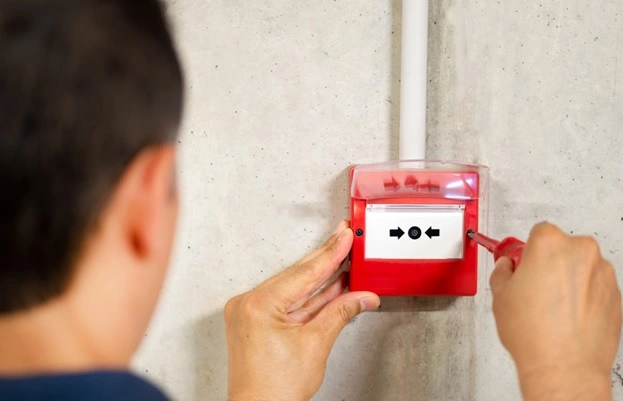
Professional Fire Alarm Installation Across London
Whether you need domestic fire alarm installation, residential fire alarm installation in London or commercial fire alarm installation the aim is the same. You need a system that works when it counts and one that meets the expectations of inspectors, insurers and local authorities.
Designed, Installed, Tested and Commissioned to British Standards
A compliant fire alarm system will operate in a methodical manner. It is designed, installed, tested and commissioned in accordance with BS 5839 the British Standard governing fire detection and alarm systems.
Most people don not realise how important this is. A fire alarm install may appear correct on the surface but may not meet the standard if detector placement, coverage or configuration is incorrect. That is where you tend to get problems if you have inspections or after a fire risk assessment.
Installation is not just putting equipment in when it is done properly. You are getting a properly assessed, configured, tested and verified fire alarm system installation.
Our Complete Landlord Safety Services
Fire Alarm Servicing
Fire Alarm Maintenance
Commercial Fire Alarm Instalaltion
Geographical Breakdown of London’s Districts
East London
South London
West London
North London
Central London
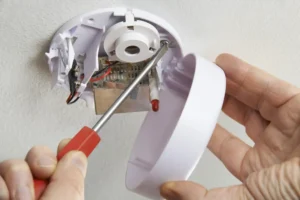
Clear Advice and Fixed Quotes Before Work Begins
Unclear pricing and vague recommendations are one of the biggest frustrations for customers. Often fire alarm systems are quoted and no explanation is given of what is included or why a particular system is required.
A good fire alarm installation company starts with an understanding of your property. This may be achieved through a site survey or a review of the floor plan. From there you should get a clear explanation of what system is needed and why. With a written quote before any work starts.
First explain anything that is to be changed. No surprises, no hidden fees.
Our Complete Landlord Safety Certificate Services in London
Gas Safety Certificate
Certified EICR inspections to ensure your property’s wiring is safe, compliant, and legally approved.
Fire Safety Services
Complete fire safety inspections, alarms, and compliance solutions to protect your property and occupants.
Energy Performance Certificate (EPC)
Fast and accurate EPC assessments to rate your property’s energy efficiency and meet legal requirements.
Asbestos Survey
Professional asbestos surveys to identify risks and ensure full compliance with UK safety regulations.
Inventory Services
Detailed property inventory reports with photos to protect landlords, agents, and tenants.
Legionella Services
Legionella risk assessments and water testing to maintain safe and compliant water systems.
Why the Right Fire Alarm System Matters
- Early Fire Detection That Supports Safe Evacuation
- Reducing Fire Damage, False Alarms and Business Disruption
- Helping Landlords and Businesses Meet Safety Duties
- Avoiding the Risk of an Incorrect or Under-Specified System
Fire Alarm Regulations and Legal Compliance
Regulatory Reform Fire Safety Order 2005:This is the main piece of legislation governing fire safety in non-domestic premises and common parts. It includes the person responsible evaluating the risks and ensuring the appropriate fire detection systems are in place.
BS 5839-1 for Commercial and Non-Domestic Premises:It applies to offices, shops, warehouses, restaurants and other commercial environments. It covers the design, installation, commissioning and maintenance of commercial fire alarm systems.
BS 5839-6 for Domestic and Rental Properties:This covers fire alarms in houses, flats and rented properties. It gives advice on Grades and Categories that set out the level of protection required for domestic fire alarm installation and rental property safety.
Building Regulations Approved Document B:This document describes fire safety requirements for building design, including detection systems, escape routes and fire protection services.
Responsible Person, Duty Holder and Landlord Responsibilities: Fire safety is your responsibility if you own or control a property. That includes ensuring the fire alarm system is appropriate, maintained and properly documented.
Why Fire Alarm Certification and Maintenance Records Matter: On completion of the installation you should be issued with a fire alarm installation certificate to verify that the system has been properly installed and commissioned.
At the same time, things like logbooks and maintenance reports are evidence that the system is being properly maintained. These are often requested during inspections, insurance reviews and local authority checks.
What Type of Fire Alarm System Do You Need?
Grade A Fire Alarm Systems for HMOs and Larger Buildings:Grade A systems are typically used in HMOs and larger residential buildings.
Grade D Fire Alarms for Homes and Rental Properties:Grade D systems are more common in standard domestic properties. These are usually mains-powered, interlinked smoke alarms with battery backup. In some homes, a smoke alarm CO2 detector may also be required where there is a fixed combustion appliance, such as a boiler.
LD1, LD2 and LD3 Residential Coverage Explained:These categories define where detectors are placed:LD1 covers the entire property.LD2 covers escape routes and high-risk areas.LD3 covers escape routes only.
L1, L2, L3, L4 and L5 Commercial Categories Explained:These categories apply to commercial fire alarm installation and define coverage levels based on risk, escape routes, and building use.
How Your Fire Risk Assessment Guides the Correct System ChoiceIn many cases, the fire risk assessment determines what system is required. It considers layout, occupancy, and potential hazards, helping to define the correct level of protection.
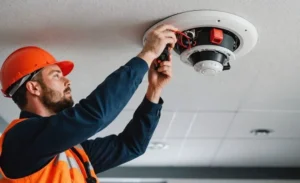
Our Fire Alarm Installation Process
Initial Enquiry and Property Details
Site Survey, Floor Plan Review or Existing System Check
System Design, Detector Layout and Written Specification
Professional Installation by Qualified Fire Alarm Installers
Testing, Commissioning and Final Safety Checks
Handover, User Guidance, Logbook Advice and Certification
Fire Alarm Certification and Compliance Documentation
What Your Fire Alarm Certificate Confirms:It verifies that the system has been installed and tested to the required standards. This is important for landlords, businesses, managing agents and anyone with responsibility for building safety.
Commissioning Records and Device Testing Results:These records show that each part of the system has been checked. They also confirm that the system has been commissioned correctly before being handed over.
Fire Alarm Logbooks, Zone Plans and Handover Documents:These help you manage the system after installation. They also support routine testing, servicing, and future inspections.
Documentation for Councils, Insurers, Managing Agents and Audits:Proper documentation is often required for compliance checks. If a council, insurer, freeholder, or managing agent asks for proof, your fire alarm records should be ready.
Keeping Your Fire Alarm Records Ready for Future Inspections: Maintaining records makes future inspections easier and smoother. It also helps show that the system has been looked after properly after installation.
Fire Alarm Installation Cost in London
What Affects the Price of a Fire Alarm Installation
The cost of installing a fire alarm depends on the type of system, the size of the building, the number of detectors and the complexity of the system. A small domestic fire alarm installation will usually be less complicated than a commercial fire alarm installation in a large office, restaurant or HMO.
Detector Count, Fire Panel Type and Building Layout
More devices and more complex layouts increase costs. The more smoke alarms, heat detectors, sounders, manual call points and fire alarm panel installations that are required, the more expensive a building is going to be.
Wired vs Wireless Fire Alarm Installation Costs
Wireless can reduce installation time, but may have a higher equipment cost. Wired systems can be a cost-effective option for both refurbishments and new installations, but they may involve more cabling work.
Domestic, HMO and Commercial Pricing Factors
All property types have their own requirements. Domestic fire alarm installation, residential fire alarm installation London, HMO systems, and commercial fire alarm installation UK projects have different design and compliance needs and therefore the price is different.
Transparent Quotes with No Hidden Charges
Transparent pricing means you know precisely what you are paying for. A good fire alarm installation company will explain the system, the number of devices, how they will be installed and any additional costs before starting work.
Existing Fire Alarm Upgrades and System Replacements
When an Existing Fire Alarm System Needs Upgrading:Older systems may not meet current standards. If your alarm is unreliable, incomplete, and/or not adequately documented, you may need an upgrade.
Adding Detectors, Sounders, Manual Call Points or Visual Alarms:Improvements can be made to increase coverage and effectiveness. This may include additional smoke detectors, heat detector alarms, sounders, visual alarms, or manual call points.
Replacing Old Fire Alarm Panels and Faulty Devices:Upgrading components improves reliability. A modern fire alarm panel can make the system easier to manage and can help identify faults more clearly.
Improving Coverage After a Fire Risk Assessment:Recommendations from assessments are often used to update systems. This may involve moving detectors, adding heat alarms, upgrading from Grade D to Grade A, or improving escape route coverage.
Reducing False Alarms Through Better Design and Detector Choice:Correct design helps minimize unnecessary alarms. The right smoke alarm, heat detector, or specialist detector in the right place can improve reliability and reduce disruption.
Fire Alarm Maintenance, Testing and Monitoring
Why Fire Alarm Servicing Is Needed After Installation:Regular servicing will keep the system reliable. A fire alarm system installation is only effective if the system is properly maintained and tested over time.
Weekly User Testing and Logbook Records:Simple checks help you catch issues early. Weekly testing and clear log book records show that the system is being managed properly.
Professional Fire Alarm Servicing and Six-Monthly Checks:We recommend professional servicing to ensure compliance and reliability. Servicing includes the checking of devices, fault finding and reviewing the system.
Emergency Fault Repairs and Call-Out Support:Fast response keeps systems up. Emergency support can minimize downtime and help you remain compliant if your system fails.
Redcare, DualCom and Fire Alarm Monitoring Options:Monitoring services add another layer of security by sending response teams when the alarm is triggered. These options are useful for commercial premises, unoccupied buildings and higher risk sites.
Book a Fire Alarm Installation Quote in London
Arrange a Free Site Survey:A survey helps identify what system is required and gives you a clearer price before work begins.
Send Your Floor Plan or Property Details:This allows for a quicker and more accurate quote, especially for larger buildings, HMOs, and commercial fire alarms installation company enquiries.
Speak to a Fire Safety Specialist Before Booking:If you are unsure what you need, speaking to someone can help you make the right decision. Whether you want to install a fire alarm, upgrade an old system, or book a complete fire alarm system installation London service, we can guide you clearly before you commit.
Why Choose Liviosiv London
- Experienced Fire Safety and Electrical Compliance Team
- Installation to BS 5839 and Relevant UK Standards
- Practical Advice Without Over-Specifying Unnecessary Systems
- Support for Landlords, Agents, Businesses and Property Managers
- End-to-End Service from Survey to Certification and Aftercare
- Clear Documentation, Transparent Pricing and Ongoing Support
Frequently Asked Questions (FAQ)
Do I Need a Fire Alarm System for My Property?
Yes, normally. This is particularly the case where the property is let or shared or used for business or the occupants are vulnerable. A professional fire alarm installer can advise on the appropriate level of protection.What Is the Difference Between Grade A and Grade D Fire Alarms?
Grade A systems are more complex and are best suited to larger properties, HMO’s and higher risk buildings. Grade D systems are typically found in standard homes and rental properties. They use interlinked mains powered smoke alarms with battery back up.
What Is the Difference Between LD1, LD2 and LD3?
These define the fraction of the property that is detected. LD1 has the greatest coverage. LD2 covers escape routes and higher risk rooms . LD3 is mostly the main escape route.
What Is the Difference Between Conventional, Addressable and Wireless Fire Alarms?
The building is in traditional systems zoning. Addressable systems tell you exactly which device has been triggered. Wireless systems eliminate the need for cabling and are useful where disruption needs to be kept to a minimum.How Much Does Fire Alarm Installation Cost in London?
The cost of fitting a fire alarm depends on the number of detectors, system type, panel needs, the layout of the building and whether the property is domestic, an HMO or commercial.How Long Does Fire Alarm Installation Take?
Simple installations are often quick to do. Larger commercial fire alarm installations, or full fire alarm system installation projects, may take longer depending on the complexity involved.Will I Receive a Fire Alarm Certificate After Installation?
Yes. On completion of testing and commissioning a fire alarm installation certificate is provided.How Often Should a Fire Alarm Be Serviced?
For reliability and compliance, we advise regular servicing. Many commercial and HMO systems typically require professional servicing arranged at least twice a year.Can You Upgrade an Existing Fire Alarm System?
Yeah. Adding smoke detectors, heat detectors, sounders, manual call points, panels or better coverage often allows upgrading existing systems.Do You Install Fire Alarms for HMOs and Commercial Buildings?
yeah. We provide HMO fire alarm installation services, commercial fire alarm installation, domestic fire alarm installation and residential fire alarm installation London.Accrediations



 contact@liviosiv.co