
Fire Alarm Servicing London for Commercial Properties, Landlords and Managing Agents
At Liviosiv we provide a professional Fire Alarm Servicing in London for commercial properties, HMO’s, flat blocks, offices, retail units, warehouses, educational facilities and residential communal areas. Our experienced engineers help make sure fire alarm systems are reliable, compliant and fully operational all year round.
Whatever your fire alarm needs, whether it be routine servicing and ongoing maintenance, testing, fault finding or emergency repairs, our team can offer practical support to ensure your property is protected and your compliance records are kept up to date.
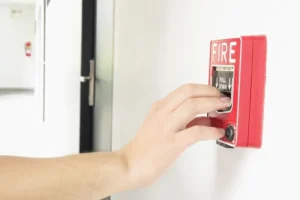
Professional Fire Alarm Servicing London
Supporting Businesses, Landlords, Managing Agents and Duty Holders
Fire safety duties apply to a broad range of owners and managers of premises. Whether a single HMO or a large commercial portfolio, the responsible person has a duty to provide fire safety systems that are well maintained and able to perform when required.
At Liviosiv, we work with a broad range of clients throughout London, including: Commercial property owners, Landlords, Managing agents, Facilities managers, Housing associations, Estate agents, Business owners, Block management companies, Educational providers, Healthcare organisations
Every property presents different challenges and risks. Our approach is tailored to the specific building, occupancy levels, fire alarm category and operational requirements.
Fire Alarm services
Fire Alarm Installation
Fire Alarm Maintenance London
Commercial Fire Alarm Installtion
Complete Landlord Safety Certificate Services
Electrical Safety Services
Fire Safety Services
Energy Performance Certificate
Gas Safety Certificate
Fire Risk Assessment
Asbestos Survey
Fire Alarm Servicing London
Geographical Breakdown of London’s Districts
Keeping Fire Detection Systems Safe, Compliant and Operational
A fire alarm system has one main purpose: to provide early warning of fire to protect people and property.
When faults occur in detectors, call points, sounders or control panels, the effectiveness of the entire system can be diminished. In some cases, building occupants may not have enough time to evacuate safely. In other cases, businesses might be subjected to recurring false alarms that disrupt operations and erode confidence in the system.
Routine fire alarm servicing prevents these issues by identifying faults before they become larger issues. It also keeps key components running, improves system reliability and supports ongoing compliance with current fire safety standards.
Our Complete Landlord Safety Certificate Services in London
Gas Safety Certificate
Certified EICR inspections to ensure your property’s wiring is safe, compliant, and legally approved.
Fire Safety Services
Complete fire safety inspections, alarms, and compliance solutions to protect your property and occupants.
Energy Performance Certificate (EPC)
Fast and accurate EPC assessments to rate your property’s energy efficiency and meet legal requirements.
Asbestos Survey
Professional asbestos surveys to identify risks and ensure full compliance with UK safety regulations.
Inventory Services
Detailed property inventory reports with photos to protect landlords, agents, and tenants.
Legionella Services
Legionella risk assessments and water testing to maintain safe and compliant water systems.
Fire Alarm Maintenance for Commercial, Residential and HMO Properties
Different properties require different fire alarm arrangements. The maintenance requirements for a warehouse will differ significantly from those of an HMO, office building or apartment block.
Our fire alarm servicing team works across a wide range of premises throughout London, including: Offices and commercial buildings, HMOs and shared accommodation, Apartment blocks and communal areas, Retail premises, Restaurants and hospitality venues, Industrial units and warehouses, Schools and colleges, Healthcare environments, Mixed-use developments. Regardless of the property type, maintaining an effective fire alarm system remains a critical part of protecting occupants and meeting legal obligations.
Fire Alarm Servicing That Works Around Your Business
Many businesses are concerned that servicing will disrupt their day-to-day operations. We totally understand these concerns and work closely with clients to schedule maintenance visits at convenient times wherever possible. We aim to complete inspections and testing in an efficient manner whilst minimising inconvenience to staff, tenants, customers and visitors. For many commercial clients planned maintenance is reassurance that fire alarm systems are being professionally managed without disruption to normal business activities.
Fire Alarm Regulations and Legal Responsibilities
Understanding the Regulatory Reform (Fire Safety) Order 2005: The Regulatory Reform (Fire Safety) Order 2005 is the principal fire safety legislation governing non-domestic premises in England. The legislation requires responsible persons to take appropriate measures to protect occupants from fire risks. This includes ensuring that fire safety equipment and systems are maintained in an efficient state, in efficient working order and in good repair. Where a fire alarm system is required, ongoing maintenance forms an important part of meeting these legal obligations.
Fire Alarm Maintenance Requirements Under BS 5839: BS 5839 is the British Standard covering fire detection and fire alarm systems for buildings. The standard provides guidance on: System design, Installation, Commissioning, Inspection, Testing, Maintenance. BS 5839 recommends periodic inspection and servicing by competent persons to help ensure continued system reliability. While the exact maintenance requirements may vary depending on the system and building type, following the recommendations of BS 5839 demonstrates a proactive approach to fire safety management.
Fire Safety Compliance for Commercial Premises: Commercial properties often have complex fire safety obligations that extend beyond the fire alarm system itself.
Fire alarm maintenance forms part of a wider compliance strategy that may also include:
- Fire Risk Assessments
- Emergency lighting testing
- Fire extinguisher servicing
- Fire door inspections
- Staff fire safety procedures
Maintaining accurate servicing records helps demonstrate that fire safety systems are being managed appropriately and supports compliance reviews conducted by insurers, auditors and enforcing authorities.
Fire Alarm Responsibilities for Landlords and HMOs: Landlords have a duty to ensure suitable fire precautions are in place within their properties. HMOs often require specific fire alarm arrangements depending on the size, layout and occupancy of the building. Local authority licensing conditions may also impose additional requirements relating to fire safety systems. Routine servicing helps landlords maintain reliable fire detection systems while supporting their wider obligations towards tenant safety.
Meeting Insurance and Audit Requirements: Many organisations undergo regular compliance reviews, audits and insurance assessments. Professional fire alarm servicing records provide valuable evidence that maintenance obligations are being fulfilled and that fire safety systems are receiving appropriate attention. Accurate documentation can help demonstrate due diligence and support a proactive approach to risk management. If you are unsure whether your fire alarm system complies with current maintenance requirements, Liviosiv can help assess your existing arrangements and provide practical guidance tailored to your property.
How Often Should Fire Alarm Systems Be Serviced?
Recommended Fire Alarm Servicing Intervals: The answer depends on a number of factors such as the type of building, the occupancy levels, the fire alarm category and the overall fire risk profile. For most commercial premises, British Standard BS 5839 recommends that fire alarm systems should be inspected and serviced by a competent person at regular intervals throughout the year. Fire alarm systems are working all the time and need servicing regularly. Such factors as environmental conditions, wear and tear, dust contamination and accidental damage can affect detectors, sounders, call points, batteries and control panels. Without regular inspection, faults can develop unnoticed and degrade system performance. Regular servicing will give you the peace of mind that your fire alarm system will continue to be able to give an early warning should a fire occur.
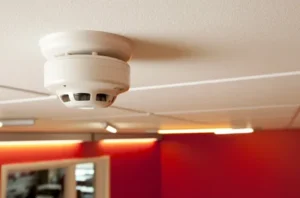
Six-Monthly Maintenance Requirements Explained: For many commercial buildings, the standard recommendation is two professional maintenance visits per year. Six-monthly servicing allows engineers to assess the condition of the system, test critical components and identify developing issues before they become serious faults. It also helps ensure maintenance records remain current and available for compliance purposes.
Regular six-monthly inspections are commonly adopted by: Offices, Retail premises, Apartment blocks, HMOs, Restaurants, Warehouses, Educational facilities, Healthcare settings. Many insurers, fire risk assessors and property management companies also expect fire alarm servicing records to demonstrate that maintenance is being carried out consistently.
Weekly User Testing Versus Professional Servicing: The confusion often lies between routine user testing and professional servicing of fire alarms. The weekly testing of fire alarms is generally carried out by the responsible person or the building management team. These checks help to confirm that the fire alarm system can operate correctly and that the occupants can hear the alarm signal. Professional service is far more extensive.
A good fire alarm engineer will check the health of the system, test devices, check equipment, look at power supplies, review history of faults and identify any problems with compliance or reliability. Both are important and should be integrated together as part of an effective fire safety management strategy.
Higher-Risk Premises and Enhanced Maintenance Schedules
Some properties require more frequent inspections due to their complexity, occupancy levels or fire risk profile.
Examples may include: Large multi-storey buildings, Care homes, Hospitals, Educational campuses, Hotels, Complex commercial facilities, Buildings with extensive fire alarm networks. In these environments, maintenance schedules may be adjusted to provide additional assurance that the system remains fully operational. The most appropriate servicing frequency should always reflect the specific risks associated with the property.
Why Regular Scheduling Helps Avoid Compliance Issues: Many fire safety issues arise not because systems are defective, but because maintenance schedules have been overlooked. Missed servicing appointments can create gaps in compliance records and increase the likelihood of undetected faults. Establishing a planned maintenance programme helps ensure inspections are completed on time and records remain current. For landlords, managing agents and businesses responsible for multiple properties, scheduled servicing can significantly reduce administrative burden while improving compliance oversight.
Monitoring EPC Expiry Dates: A Residential EPC remains valid for 10 years, but landlords should avoid waiting until expiry dates approach before taking action. Many professional landlords maintain compliance schedules that track: EPC expiry dates, Current EPC ratings, Recommended improvements, MEES compliance status, Planned refurbishment works. Regular monitoring helps avoid last-minute assessments and ensures properties remain compliant throughout the tenancy lifecycle.
Residential Properties We Assess Throughout London
Residential EPC Assessments We offer Residential EPC Assessments for a variety of domestic property types across London. If you have one property or several rental homes, or if you need EPCs for a whole portfolio, our experienced Domestic EPC Assessors can give you accurate and fully compliant Energy Performance Certificates. Houses and Family Homes, Flats and Apartments, Buy-to-Let Propertie, HMOs and Shared Accommodation, New Build Residential Properties, Residential Blocks and Property Portfolios
Local Knowledge Across London: Our Domestic EPC Assessors work throughout London and have experience assessing a diverse range of property styles, ages, and construction methods. At Liviosiv, we provide Residential EPC Assessments for all major residential property sectors, helping homeowners, landlords, agents, and property professionals obtain accurate EPC Certificates with confidence.
What Is Included in a Fire Alarm Service?
- Inspection of Fire Alarm Control Panels
- Testing Manual Call Points and Alarm Devices
- Detector Performance and Sensitivity Testing
- Battery, Power Supply and Backup System Checks
- Sounder, Beacon and Notification Device Testing
- Fault Log Review and System History Assessment
- Visual Inspection of Fire Alarm Components
- Verification of System Performance and Functionality
Fire Alarm Systems We Service and Maintain
- Conventional Fire Alarm Systems
- Addressable Fire Alarm Systems
- Wireless Fire Alarm Systems
- Networked and Multi-Building Fire Alarm Systems
- Small Business Fire Alarm Systems
- Large Commercial Fire Detection Systems
- Fire Alarm Systems Installed by Other Companies
Fire Alarm Testing Services for Ongoing Compliance
- Routine Functional Testing Procedures
- Weekly Fire Alarm Testing Support
- Monthly and Periodic Compliance Checks
- Testing Records and Documentation Requirements
Fire Alarm Certificates, Reports and Compliance Documentation
What Documentation Is Issued After Servicing?
Any professional fire alarm servicing should always be accompanied by clear documentation. Following inspection and testing maintenance records are provided giving details of work carried out, tests made and observations made during the visit. These records are an important part of the fire safety documentation for the building and may be required during audits, inspections or compliance reviews.
Fire Alarm Inspection and Maintenance Reports: A detailed maintenance report provides valuable insight into the condition of the fire alarm system. The report may include information relating to: System condition, Devices tested, Faults identified, Remedial recommendations, Maintenance observations, Compliance-related issues. This information helps responsible persons make informed decisions regarding repairs, upgrades and future maintenance requirements.
Maintaining Accurate Fire Safety Records: Proper record keeping is a basic element of fire safety management. Servicing records are a record of maintenance carried out and demonstrate a proactive approach to managing fire risks. Good documentation also aids future inspections and ensures that important information is at hand when required.
Evidence for Insurers, Auditors and Enforcement Authorities: Fire alarm servicing records may be requested by a variety of organisations, including: Insurance providers, Fire risk assessors, Housing associations, Managing agents, Auditors, Enforcement authorities. Having clear and organised documentation demonstrates due diligence and supports compliance with ongoing fire safety obligations.
Understanding Defects, Recommendations and Remedial Actions
Not every issue identified during servicing requires immediate replacement or major expenditure.A good maintenance report should clearly explain: The nature of the defect, Why it matters, Potential consequences, Recommended actions, Priority level. This allows responsible persons to prioritise corrective actions appropriately and manage fire safety risks effectively.
Our Fire Alarm Servicing Process
- Initial Assessment of Your Property and System
- Planning Maintenance Around Your Operations
- On-Site Inspection, Testing and Servicing
- Identifying Defects and Compliance Issues
- Providing Clear Findings and Recommendations
- Issuing Reports and Supporting Documentation
Why Choose Liviosiv for Fire Alarm Servicing in London?
- Experienced Fire Safety Professionals
- Practical Compliance-Focused Approach
- Transparent Advice and Clear Reporting
- Fast Response Times Across London
- Support for Single Sites and Multi-Property Portfolios
- Comprehensive Fire Safety Compliance Services Under One Roof
Common Fire Alarm Problems We Help Resolve
Frequent False Alarms: False alarms remain one of the most common issues with commercial and residential fire alarm systems. They can disrupt business operations, inconvenience occupants and undermine confidence in the effectiveness of the system. Our engineers look into recurring false alarms to find the root cause and suggest practical fixes that boost reliability while still giving the correct level of fire protection.
Fire Alarm Panel Fault Warnings: Never ignore any fault indicators that appear on a fire alarm panel. Some warnings may relate to relatively minor problems. Others may affect the ability of the system to provide effective fire detection and warning. A prompt investigation helps to ensure that faults are corrected before they become more serious problems.
Detector Contamination and Sensitivity Issues: Smoke detectors are particularly susceptible to contamination from dust, dirt and other particles in the environment. Contamination may degrade detector performance over time. Thereby increasing likelihood of false alarms or decreasing the sensitivity to actual fire conditions. Routine maintenance helps to keep detectors within acceptable performance levels.
Battery and Power Supply Failures: Standby batteries are important backup power sources during power cuts. Performance degrades gradually as batteries age. Without regular testing, degradation can go undetected until the battery is called upon in an emergency situation. Routine inspections can detect batteries approaching the end of their service life and reduce the risk of unexpected failure.
Communication and Network Faults: Addressable and Networked Fire Alarm Systems depend on communication between a number of devices and control equipment. Communication failures may affect system functionality and coverage in parts of the building. Early diagnosis helps to keep the system running reliably and prevents small faults from turning into bigger issues.
Outdated or Non-Compliant Fire Alarm Systems: Buildings are always changing. Changes in occupancy, building layout or use can impact the suitability of an existing fire alarm system for the premises. If systems no longer provide the right protection, we can advise on possible upgrades, improvements or replacement solutions more in line with current needs.
Areas We Cover Across London
Whether you are looking for asbestos survey london, we provide asbestos report across Central, North, North West, West, South West, South, South East and East London. For dedicated regional coverage, see our North London, East London, Central London, West London and South London hub pages, which cover both commercial and residential inspections.
Central London — Westminster, the City of London, Holborn and Covent Garden (WC1, WC2); Soho, Mayfair, Marylebone and Fitzrovia (W1); Bloomsbury (WC1); St James’s, Pimlico, Victoria and Belgravia (SW1); the South Bank (SE1); Knightsbridge and Chelsea (SW3, SW7); Kensington; Paddington and Bayswater (W2); and Notting Hill (W11). See also our area pages for Pimlico, Notting Hill and South Bank, Paddington, Chelsea, Victoria, Soho, Bloomsbury and Knightsbridge, Marylebone, Bayswater, Holborn and Fitzrovia and Westminster.
North London — Highgate (N6), Muswell Hill (N10), Crouch End (N8), Finsbury Park (N4), Archway (N19), Hampstead (NW3), Golders Green (NW11), Finchley (N2, N3, N12), Mill Hill (NW7), Totteridge and Whetstone (N20), Barnet (EN4, EN5), Enfield Town (EN1, EN2), Palmers Green (N13), Winchmore Hill (N21), Southgate (N14), Edmonton (N9, N18), Bounds Green (N11), Wood Green and Alexandra Palace (N22), and Holloway and Islington (N7, N1).
North West London — Cricklewood (NW2), Kilburn (NW6), Willesden, Harlesden and Neasden (NW10), Wembley and Alperton (HA0, HA9), Kingsbury and Queensbury (NW9), Kenton (HA3), Harrow and South Harrow (HA1, HA2), Pinner (HA5), Ruislip (HA4), Stanmore (HA7), Edgware (HA8), Colindale (NW9), Hendon (NW4), Brent Cross (NW2), and Swiss Cottage (NW3).
West London — Acton (W3), Chiswick (W4), Ealing (W5), West Ealing (W13), Hanwell and Northfields (W7), Hammersmith (W6), Shepherd’s Bush and White City (W12), Holland Park (W8), West Kensington (W14), Southall (UB1, UB2), Brentford (TW8), Isleworth and Osterley (TW7), Hounslow (TW3), Feltham (TW13, TW14), Hayes and Harlington (UB3), Uxbridge (UB8), and West Drayton (UB7).
South West London — Putney and Southfields (SW15), Wandsworth and Earlsfield (SW18), Clapham Junction and Battersea (SW11), Balham (SW12), Tooting (SW17), Wimbledon (SW19), Raynes Park (SW20), Morden (SM4), Colliers Wood (SW19) and Mitcham (CR4), Streatham and Norbury (SW16), Richmond (TW9, TW10), Twickenham (TW1, TW2), Teddington (TW11), Hampton (TW12), Kingston upon Thames (KT1, KT2), Surbiton (KT5, KT6), and New Malden (KT3).
South London — Brixton and Stockwell (SW2, SW9), Clapham (SW4), Vauxhall (SW8), Kennington (SE11), Elephant and Castle (SE1), Camberwell (SE5), Peckham (SE15), Dulwich (SE21, SE22), Herne Hill (SE24), Crystal Palace (SE19), West Norwood (SE27), Upper Norwood (SE19), South Norwood (SE25), Thornton Heath (CR7), Croydon (CR0), Purley (CR8), Coulsdon (CR5), and Addiscombe, Shirley and Selhurst (CR0).
South East London — Deptford (SE8), New Cross (SE14), Brockley (SE4), Lewisham (SE13), Catford and Hither Green (SE6), Blackheath (SE3), Greenwich (SE10), Eltham (SE9), Woolwich and Plumstead (SE18), Abbey Wood and Thamesmead (SE2), Bexleyheath (DA6, DA7), Welling (DA16), Sidcup (DA14, DA15), Chislehurst (BR7), Bromley (BR1, BR2), Beckenham (BR3), Orpington (BR6), and Penge, Anerley and Grove Park (SE20).
East London — Shoreditch, Hoxton, Whitechapel and Stepney (E1, E2), Bethnal Green (E2), Poplar and Canary Wharf (E14), Bow (E3), Stratford (E15), Forest Gate (E7), Plaistow (E13), West Ham (E15), East Ham (E6), Beckton and Canning Town (E16), Barking (IG11), Dagenham (RM8, RM9, RM10), Ilford (IG1), Seven Kings and Goodmayes (IG3), Chadwell Heath (RM6), Romford (RM1–RM3), Hornchurch (RM11, RM12), Upminster (RM14), Wanstead and Leytonstone (E11), Leyton (E10), Walthamstow (E17), Chingford (E4), and Woodford Green (IG8).
Frequently Asked Questions (FAQ)
Is Fire Alarm Servicing a Legal Requirement?
Under fire safety legislation, the responsible person is required to maintain fire alarms in many non-domestic premises. Fire alarm system maintenance helps keep them effective and able to provide early warning in an emergency.How Often Should a Fire Alarm Be Serviced?
Commercial premises must be serviced professionally every six months. But the proper frequency may vary depending on the type of the building, fire risks and complexity of the system.What Is Included in Fire Alarm Maintenance?
Maintenance usually includes inspection, testing, fault finding, detector inspection, battery testing, control panel inspection, system performance verification and maintenance reporting.Can You Service a System Installed by Another Company?
Yes . Regardless of the original installer, fire alarm systems are generally serviceable if enough system information is available.Do You Provide Fire Alarm Certificates?
Yes. After servicing, maintenance documentation and inspection records are provided which describe the work carried out and any findings noted.What Happens If Defects Are Found?
Where defects are found they are clearly recorded and recommendations for corrective action are made. This enables responsible persons to make informed decisions about repairs and compliance.Can Repairs Be Completed During the Same Visit?
Depending on the nature of the fault and availability of parts some repairs may be done during the same visit. Larger pieces may require a separate appointment.How Long Does Fire Alarm Servicing Take?
The time will depend on factors such as the size of the system, the complexity of the building and the number of devices installed.Do HMOs Require Fire Alarm Maintenance?
Yes. Fire alarm systems in HMOs should be properly maintained to ensure the safety of the occupants and to comply with any relevant legislation.Can You Maintain Multiple Properties Under One Agreement?
Yes. We support landlords, managing agents and organisations responsible for multiple properties across London on a regular basis.What Are the Signs That a Fire Alarm System Needs Attention?
Common warning signs include: Fault indicators on the control panel, Repeated false alarms, Damaged devices, Communication faults, Battery warnings, Missed servicing intervals, System performance concerns.How Much Does Fire Alarm Servicing Cost in London?
The cost depends on many factors, including the size of the system, the number of devices and the complexity and maintenance needs of the property. Get in touch with our team for a bespoke quote for your property.Accrediations



 contact@liviosiv.co